Well report No. RR-1470 · T14N · R7W · SEC 2 · filed October 13, 2026
OffshoreWell report
BW Offshore Pushes Bay du Nord FPSO Toward FID via FEED
Slim trade-press notice puts BW Offshore's Bay du Nord FPSO engineering stage in writing, with FID — and a published sanction date — remaining the only material watch item.
Field notes
- BW Offshore has signed a FEED agreement on the Bay du Nord FPSO, per a pgjonline.com roundup.
- Project sits offshore Canada; basin and operator are not stated in the source notice.
- Capacity, capex, partners and sanction date are not disclosed in the published item.
- No executive quotation is reproduced in the source.
- Next material data point is the project FID, with no target date provided.
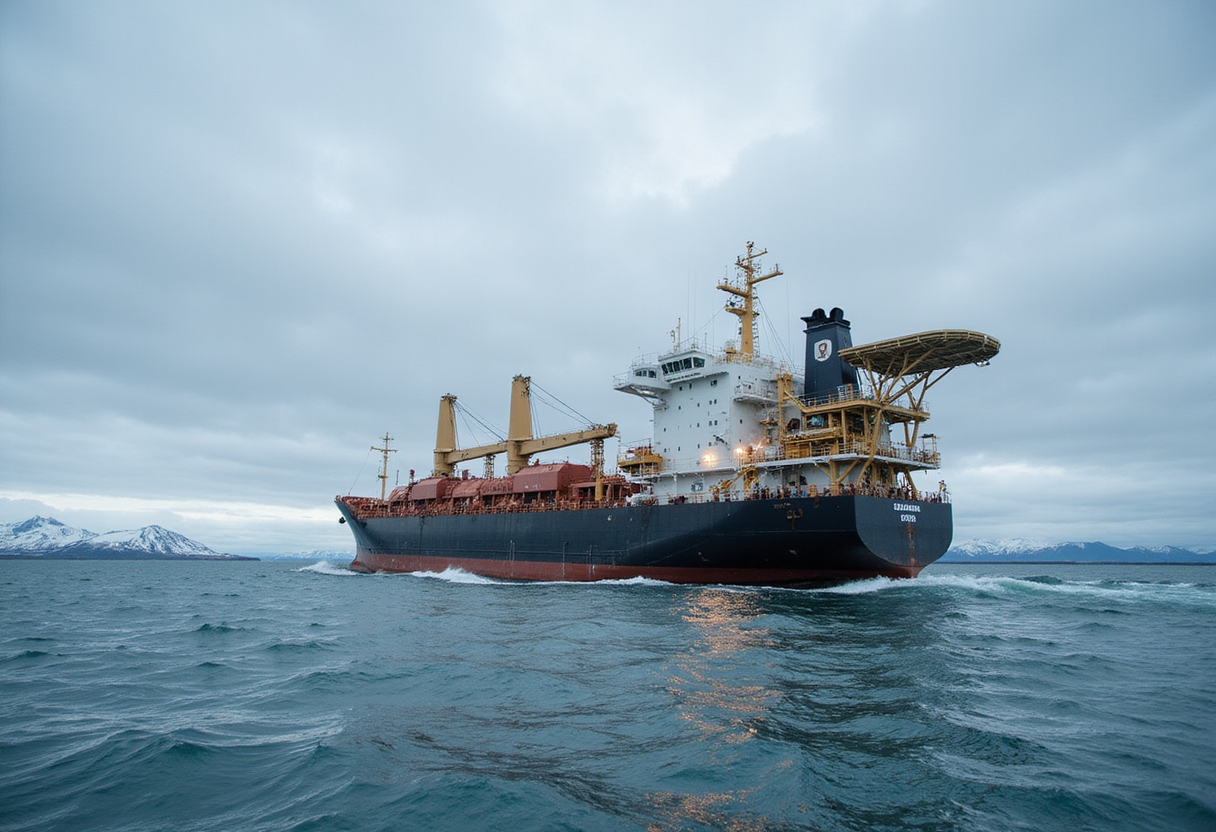
BW Offshore has signed a Front-End Engineering and Design (FEED) agreement on Canada's Bay du Nord FPSO. The notice, carried by pgjonline.com, moves the deepwater project one rung up the sanction ladder toward a Final Investment Decision (FID). The wire item gives a counterparty and a project name — and very little else.
What does a FEED step actually settle?
A FEED contract is the engineering work that locks process design, equipment sizing and project layout ahead of sanction. It produces class-3 to class-5 cost estimates — numbers accurate enough to underwrite FID, but not detailed enough to issue purchase orders. Front-end engineering removes one set of unknowns from a sanction decision. It does not, by itself, approve the project.
That distinction matters. FEED is necessary for FID. It is not equivalent to FID. The two decisions — engineering readiness and capital approval — sit on different sides of the boardroom door. A skeptic reads FEED as a precursor, not a verdict.
How thin is the published data?
Thin. The published item is essentially a headline with two named nouns: BW Offshore and Bay du Nord. It carries no bpd capacity, no capex, no sanction target, no partner list, no rig, no yard, no commissioning window, and no executive quote. Anything beyond "FEED signed" should be treated as outside the record until a fuller company release lands.
The structural read: BW Offshore has converted a study-phase relationship with the Bay du Nord partners into an engineering-phase contract. Engineering revenue does not yet equal sanctioned revenue. The promise of the move is real, but the receipt is dated, not delivered.
What should skeptical editors flag?
Four points worth flagging for the desk.
First, FEED contracts are commonly priced in the tens of millions of dollars, not the billions. A FEED win is real income, but it is not a project sanction. Conflating the two is the standard upstream reporting trap, and it should not slip past copy.
Second, FPSO projects run on a longer clock than fixed-platform developments. A floating production, storage and offloading unit is a ship-shaped hull fitted with topside processing, oil storage and shuttle-tanker offloading capability. From FID to first oil, the typical build is 30 to 48 months. The FEED clock has not yet started that timer.
Third, FID on a deepwater Canadian project typically waits on more than engineering. It waits on equity alignment between partners, on fiscal confirmation with provincial and federal authorities, and on commercial offtake or marketing arrangements. None of those are visible in this notice.
Fourth, BW Offshore is one of several established FPSO contractors with a track record of unit delivery. The notice does not, however, make clear whether the company is the eventual operator of the FPSO, the engineering contractor, or both. The distinction affects how the eventual contract value is read.
The caveat follows the promise: a FEED agreement indicates intent. It does not indicate commitment.
Where does the watch item sit?
The watch item is the FID itself. Until a sanction call is announced, BW Offshore holds a paying engineering mandate — useful revenue, useful option value, useful learning — but not a sanctioned project.
Trade-press desks should track three signals: any partner-level release from the Bay du Nord consortium, any regulatory filing at the provincial-federal offshore board, and any capex disclosure carrying a number. The first of those to break is the one worth chasing. Everything before it is build-up, and build-up is not news.
via Google News: Offshore drilling and FPSOs (Source)
More from Priya Raman
Show full bio
Senior reporter covering technology and product news in Oil and gas industry operations and markets at Rig & Refinery.
476 articles