Well report No. RR-8229 · T9N · R8W · SEC 21 · filed October 10, 2026
Refining & PetrochemicalsWell report
Dangote Refinery Trims Debt to $5.7 Billion Ahead of Planned IPO
Dangote Refinery has reduced debt to $5.7 billion, Bloomberg reports, clearing the balance sheet for an initial public offering billed as a record-setting listing for the Nigerian exchange.
Field notes
- Dangote Refinery has cut debt to $5.7 billion, Bloomberg reports.
- The debt reduction precedes an initial public offering described as record-setting.
- The IPO would rank among the largest listings on record for the region.
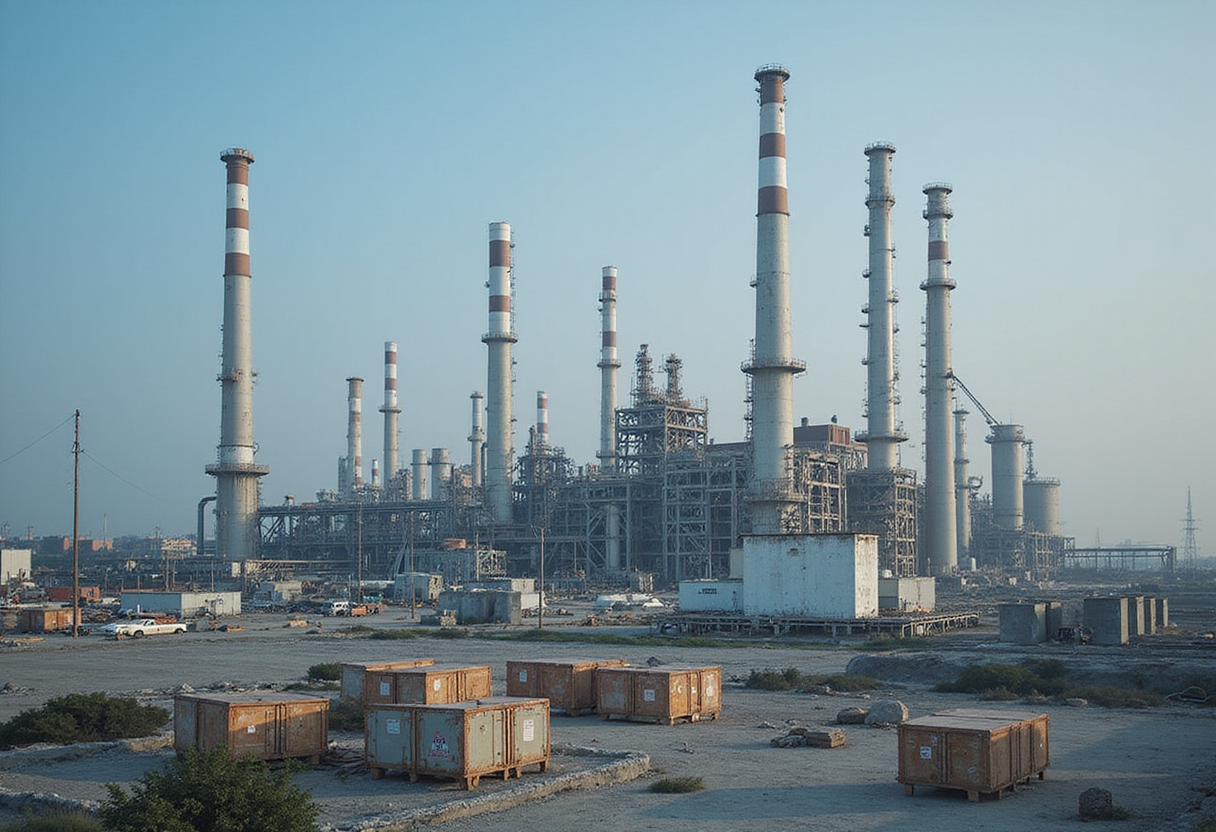
Dangote Refinery has cut its debt load to $5.7 billion, according to a Bloomberg report, positioning the company for an initial public offering that would rank among the largest on record for the region and the Nigerian exchange.
The deleveraging marks a turning point for a project that carries the debt profile typical of a greenfield complex of its scale. Reducing outstanding obligations to $5.7 billion gives the company a cleaner balance sheet to present to equity investors as it prepares listing documents, and signals to underwriters that operating cash flow is now servicing, rather than merely carrying, the capital structure built during construction.
Bloomberg, which first reported the figure, framed the debt reduction as a deliberate step in the run-up to the offering. The refinery's leadership has repeatedly said a listing is the intended next phase for the asset, and the debt number is the clearest quantitative marker yet that the process is advancing from statements to structure.
What does the debt cut signal?
A balance-sheet figure of $5.7 billion tells investors three things at once.
- The construction-phase financing cycle has effectively closed, with lenders repaid or refinanced out of operating cash flow rather than new facility drawdowns.
- Management judges the refinery's commercial ramp-up sufficiently advanced to support an equity story built on free cash flow rather than on capacity promises.
- The IPO valuation conversation can now proceed from a known debt number, which anchors enterprise-value math for prospective bookrunners and cornerstone investors.
For downstream watchers, the sequence matters. Refinery listings across emerging markets have historically stalled when sponsors could not demonstrate that throughput, utilization, and product sales had stabilized enough to support a dividend or buyback narrative. Cutting debt to a firm figure ahead of the offering is the standard precondition for that pitch.
Why does the IPO matter for the Atlantic Basin product market?
The Dangote complex has reshaped West African product flows since it started operations, displacing imported gasoline, diesel, and jet fuel that European and other external refiners previously supplied into the Gulf of Guinea. A listed Dangote Refinery would be the first publicly traded pure-play exposure to that flow reversal, and portfolio managers tracking refining margins from Northwest Europe to the Mediterranean have flagged the asset as a structural variable in diesel arbitrage economics.
Analysts covering the Atlantic Basin have attributed the refinery's market significance to its scale relative to regional demand, though specific utilization and export-volume figures cited in the market vary by source and period. The $5.7 billion debt figure, reported by Bloomberg, stands as the hardest number in the current IPO discussion; margin and throughput commentary surrounding the listing remains attributed analysis rather than company-disclosed data.
What are the watch items?
Three markers will define the next phase of this story.
-
The filing itself. A formal listing application, with a prospectus disclosing audited throughput, sales, and margin data, would convert the debt headline into a full financial picture.
-
The offering size and venue. Whether the IPO sets a record will depend on the final raise, the split between local and international tranches, and the exchange — or exchanges — selected.
The debt trajectory after listing. Whether the $5.7 billion continues to fall, holds, or is refinanced at listing will tell the market whether management prioritizes dividends, expansion, or further deleveraging.
The $5.7 billion figure is the anchor. Everything else about the offering — timing, size, valuation — now hangs off it, and the prospectus, when it lands, is the document that will settle the record-IPO question Bloomberg's headline raises.
via Google News: Refineries and petrochemicals (Source)
More from Daniel Okafor
Show full bio
Market editor covering companies, deals and strategy in Oil and gas industry operations and markets at Rig & Refinery.
410 articles
Adjoining reports
- Dangote Refinery Targets $14 Billion Expansion as IPO Documents Signed
- Dangote Lines Up US$2.5 Billion to Expand Nigeria's Largest Refinery
- Dangote Refinery IPO Draws 'Enormous' Demand as Kenya Push Advances
- Dangote sets groundbreaking for $16 billion Kenyan refinery
- Dangote Refinery targets $36 billion revenue mark for 2026