Well report No. RR-7091 · T9N · R49W · SEC 9 · filed October 16, 2026
Gas & LNGWell report
First LNG cargo departs Mexico, EIA confirms export milestone
The U.S. Energy Information Administration has logged the first commercial LNG cargo to leave a Mexican port, anchoring a shift from net importer to fledgling exporter across the country's two coastal terminals.
Field notes
- EIA reports the first commercial LNG cargo has departed a Mexican port, ending two decades as a net importer
- Altamira terminal in Tamaulipas has nominal export capacity near 1.4 million tonnes per annum and a single 210,000-cubic-metre storage tank
- Mexico imported roughly 70 billion cubic metres of pipeline gas in 2023, by EIA's own series
- Two terminals — Altamira on the Gulf coast and Costa Azul on the Pacific — give Mexico a coast-to-coast LNG footprint
- LNG must be chilled to minus 162 degrees Celsius before loading, and the Henry Hub-to-JKM/TTF spread decides the margin
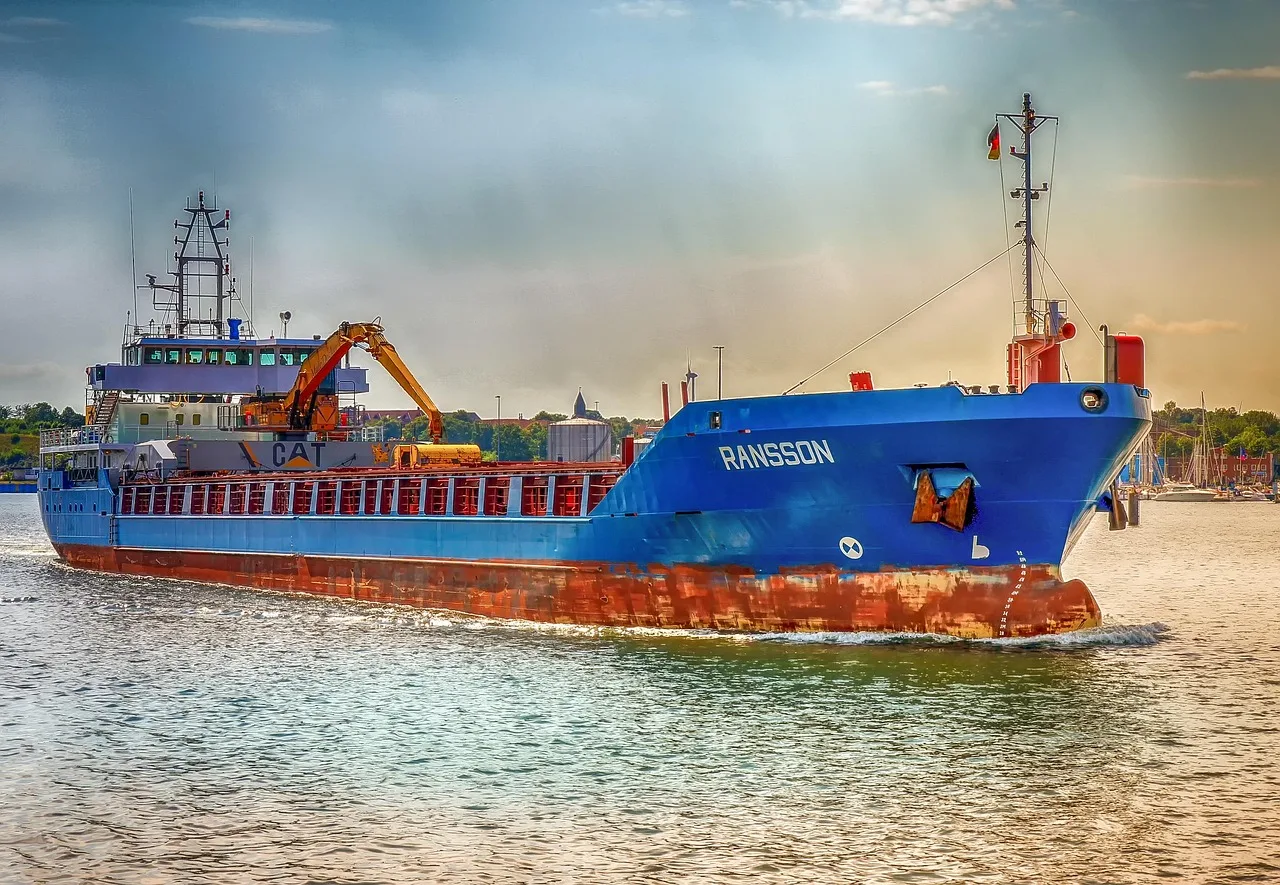
The first commercial cargo of liquefied natural gas has departed a Mexican port, the U.S. Energy Information Administration reported. The shipment marks a milestone for a country that has run as a net natural gas importer for two decades, and it anchors nominal export capacity at roughly 1.4 million tonnes per annum at the Altamira terminal alone.
That is the operational fact. A Mexican terminal loaded a vessel with super-chilled methane and dispatched it. EIA's brief records the event for the trade.
What changes for the gas balance?
Mexico has drawn the bulk of its natural gas from U.S. cross-border pipelines for years. The country imported roughly 70 billion cubic metres of pipeline gas in 2023, by EIA's own series.
Sending the same molecule out of Mexico as LNG, by sea, demands new infrastructure and a new commercial logic. The country's gas balance is unlikely to flip from importer to exporter inside a single calendar year, given the size of contracted pipeline flows and the modest scale of the new terminals.
The takeaway: Mexico has joined the LNG shipping club without abandoning its import posture. Imports and exports now run on parallel tracks.
Where did the cargo load?
Altamira on the Gulf coast, in the state of Tamaulipas, handled the maiden parcel. The terminal was built originally as an LNG import facility and retooled for export duty.
Its nominal capacity sits at roughly 1.4 million tonnes per annum, modest by world scale. The site stores LNG in a single tank of approximately 210,000 cubic metres and can berth conventional carriers. The retooling included tank refurbishment, jetty upgrades, and a small-scale liquefaction train, with export commissioning following years of conversion work on the original import infrastructure.
The takeaway: a former import terminal, now an export one, sets the precedent. The same engineers who offloaded LNG now load it.
Who is selling the molecule?
Operator filings and shipping intelligence identify the Altamira facility as run by a consortium that includes Shell and TotalEnergies through the original import venture. EIA's brief does not name the buyer, the price, or the vessel.
Those details typically surface in port call data and shipping trackers within days. The commercial test, however, is straightforward. Mexican pipeline gas prices off Henry Hub, near $2 per million British thermal units through 2024. The cargo must be liquefied, refrigerated to minus 162 degrees Celsius, and shipped across an ocean before it earns the JKM or TTF marker that determines commercial viability.
The takeaway: the molecule is cheap at the wellhead. The freight, the fuel, and the finance decide the rest.
What is the export pathway?
Cargoes from Altamira exit the Gulf of Mexico and head toward Atlantic and European demand centres. Costa Azul, the other terminal, sits on the Pacific in Baja California and serves Asian markets, chiefly Japan and South Korea.
Long-term contracts tied to Sempra Infrastructure's Phase 1 development anchor the Pacific trade. The two facilities give Mexico a coast-to-coast LNG footprint, a rare configuration outside the United States and Qatar, and a strategic option when one market sours and the other tightens. Atlantic cargoes clear the Strait of Florida within hours; Pacific cargoes face a longer voyage and a tighter weather window.
The takeaway: two coasts, two markets, one molecule. The arbitrage between them runs the business.
Watch item
The next data print will settle the question. EIA's Natural Gas Monthly and Mexico's Comisión Nacional de Hidrocarburos will publish the first official export figure in coming weeks. That number will confirm whether the milestone is a single cargo or the start of a flow. The margin, in any case, decides whether Mexico becomes a regular LNG shipper or stays a curiosity in the trade ledger.
via Google News: LNG export terminals (Source)
More from Daniel Okafor
Show full bio
Market editor covering companies, deals and strategy in Oil and gas industry operations and markets at Rig & Refinery.
478 articles
Adjoining reports
- ECA LNG Ships First Cargo From Mexico's Pacific Coast
- First LNG Cargo From Mexico's Costa Azul Departs for South Korea
- TotalEnergies Loads First LNG Cargo from Mexico's ECA Terminal
- Energía Costa Azul ships first LNG cargo from Mexico's Pacific coast
- EIA: US natural gas exports set to climb nearly 30% by 2027