Well report No. RR-5379 · T17N · R47W · SEC 17 · filed October 15, 2026
Refining & PetrochemicalsWell report
Flaring Returns to Valero's McKee Refinery Days After FCC Restart
Valero reported flaring at its 200,000-bpd-class McKee refinery in the Texas Panhandle just days after the FCC unit restarted, per Quantum Commodity Intelligence.
Field notes
- Valero reported flaring at the McKee refinery in Sunray, Texas, days after its FCC unit restarted.
- The report came via Quantum Commodity Intelligence; no cause or flare volumes were specified.
- Flaring occurred during the post-restart window, the most sensitive phase of a refinery turnaround.
- No statement on duration or impact on operating rates had been issued at the time of the report.
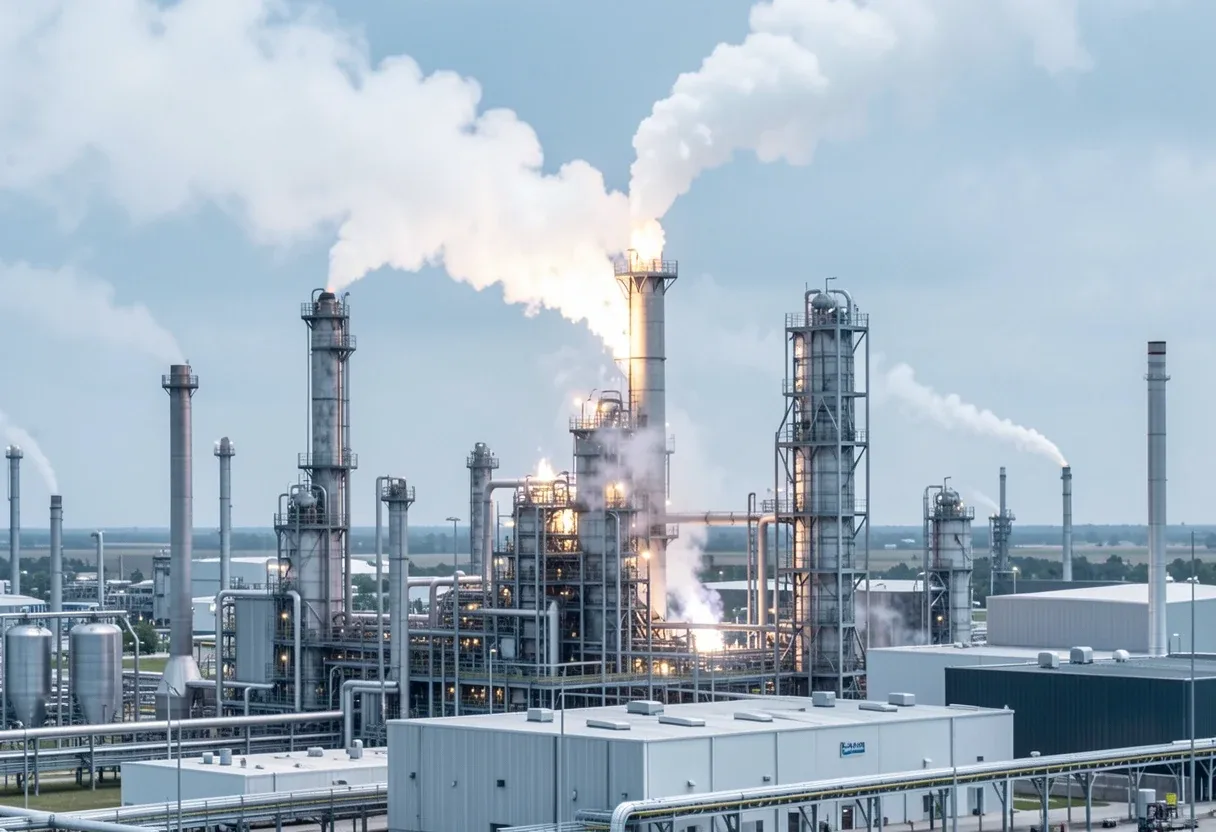
Valero Energy has reported flaring at its McKee refinery in Sunray, Texas, days after the plant restarted its fluid catalytic cracker, according to Quantum Commodity Intelligence. The timing is the story. A unit that returns to service and upsets within the same week tells operators more than any press release.
The McKee refinery sits in the Texas Panhandle, processing crude into gasoline and diesel for regional and export markets. Its fluid catalytic cracker is the workhorse of any fuels refinery, converting heavy gasoil into lighter, higher-value transportation fuel. When an FCC unit trips, refinery yields shift and product slates tighten quickly. When it restarts, the risk window does not close on schedule, as this episode shows.
What does flaring at a refinery actually signal?
Flaring is the controlled combustion of gases a plant cannot process or safely contain. Operators use it during startups, shutdowns and upsets. It is a safety valve. It is also a receipt of instability.
A restart is the most delicate phase of any refinery campaign. Units run at reduced rates, temperatures climb toward design thresholds, and pressure balances move hour by hour. Flaring during this window is routine in the strict sense of the word. Flaring days after a restart is less routine. It suggests the unit had not yet settled, or that a secondary issue followed the initial recovery.
Quantum Commodity Intelligence reported the flaring event without specifying its duration or the volumes of gas burned. Valero had not, at the time of the report, detailed the cause.
Why the timing matters more than the event
Refineries live and die by turnaround calendars. An FCC restart that wobbles forces planners to re-examine assumptions about rate ramps and downstream unit availability. Alkylation units, blending operations and terminal lifting schedules all hang off FCC output. That is roughly the chain of consequences a single flaring report sets in motion.
For context, a large Gulf Coast FCC unit can process well over 100,000 bpd of feed; even a partial derate at McKee would remove meaningful gasoline yield from a regional balance already watching summer demand. Panhandle refining capacity is modest by Gulf Coast standards, but it serves inland markets where alternative supply is not a pipeline away.
The episode also lands amid a season of elevated flaring scrutiny. Regulators in Texas track flare events, and repeated upsets at a single facility can draw permitting attention. One report is noise. A pattern is a problem.
What comes next
Watch for three things:
- A follow-up filing or statement from Valero on the cause and duration of the flaring.
- Any revision to McKee's reported operating rates in coming weekly data.
- Regional gasoline and distillate spread reaction, which will be modest unless the upset proves sustained.
For now, this reads as an operational hiccup, not a crisis. The lesson is older than the refinery itself. Restarts are not finishes. They are the beginning of a second, quieter test.
By Daniel Okafor
via Google News: Refineries and petrochemicals (Source)
More from Daniel Okafor
Show full bio
Market editor covering companies, deals and strategy in Oil and gas industry operations and markets at Rig & Refinery.
459 articles
Adjoining reports
- Port Arthur restart questions linger a month after Valero blast
- LyondellBasell's Houston Refinery to Shut, Erasing Another US Plant
- Fire at MRPL coker-adjacent unit kills one worker, injures another
- Bahrain Declares Force Majeure After Refinery Fire
- ExxonMobil Restarts Key Units at Illinois Refinery After Power Outage