Well report No. RR-5085 · T1N · R19W · SEC 1 · filed October 17, 2026
Refining & PetrochemicalsWell report
Four Injured in New Blast at Greece's Corinth Refinery
Four people were injured in a fresh explosion at the Corinth refinery west of Athens, Greek City Times reported, renewing safety questions at the Greek fuel-supply complex.
Field notes
- Four people were injured in the blast at the Corinth refinery, Greek City Times reported.
- The explosion was described as a "fresh" blast, indicating a repeat incident at the facility.
- The refinery is located at Corinth, west of Athens.
- The unit involved and the cause of the explosion have not been specified in the initial report.
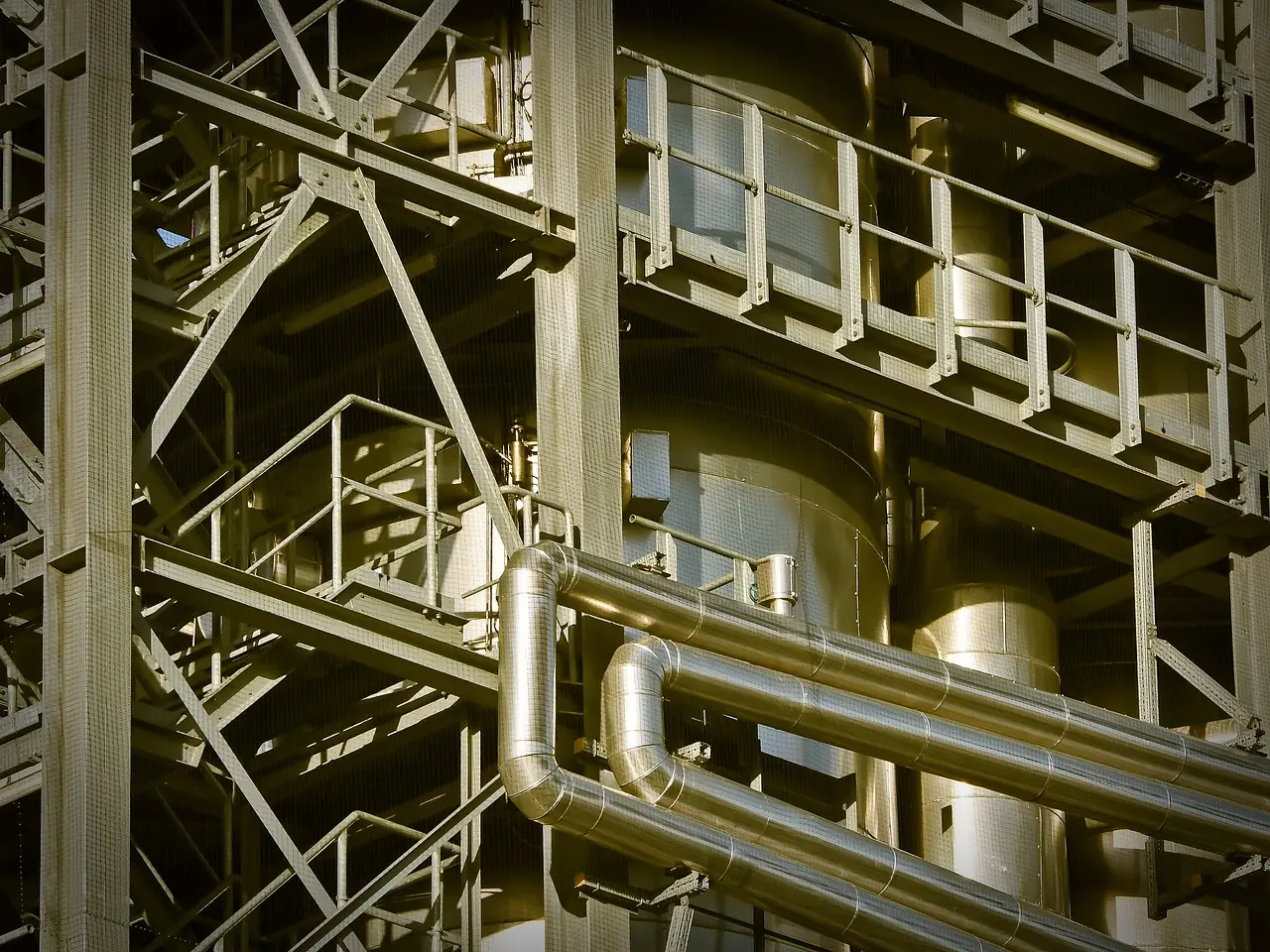
Four people suffered injuries in a fresh explosion at the Corinth refinery west of Athens, Greek City Times reported, marking another blast at a facility that has already drawn scrutiny over its safety record.
The incident places the refinery — one of Greece's key fuel-supply assets on the Gulf of Corinth — back at the center of questions about what is going wrong inside its units, and how many more warnings the plant can absorb before something worse happens.
What happened at the refinery?
The blast injured four people, according to the report. The word "fresh" in the account signals this was not the plant's first explosion, and that earlier incidents had already put the Corinth complex in the news.
The refinery sits at Corinth, on the strategic corridor connecting mainland Greek fuel demand with Mediterranean shipping lanes. For a facility of that standing, any explosion with casualties is more than a local mishap — it is an operational and reputational event that travels.
Details that matter most to operators — which unit went, what ignited, whether the four injured are contractors or staff — were not spelled out in the initial report. Those gaps will define the follow-up.
The immediate question for Greek refiners and for the country's fuel market is whether the plant can run at normal rates while investigators pick through the damage.
Why does a "fresh" blast matter?
A single explosion is an accident. A pattern is a program. The report's phrasing makes clear Corinth has now produced more than one blast, and each repeat sharpens the same uncomfortable question: are root causes being fixed, or just symptoms patched between turnarounds?
Four injuries is the number that moves this story. It is low enough to avoid catastrophe designation, high enough to guarantee a formal investigation, and specific enough that families, unions and regulators will want names and answers.
For trade watchers, the relevant frame is simple. Incidents like this tend to trigger:
- A regulatory inspection of the affected unit and adjacent systems
- A review of work-permit procedures at the complex
- Scrutiny of the operator's maintenance and turnaround history
- Possible pressure on throughput while checks run
None of that has been confirmed yet. All of it is standard consequence, and that is why the casualty figure, modest as it is, carries weight far past Corinth's fence line.
What comes next?
Greek City Times has put the basic facts on record — four hurt, a fresh blast, the Corinth refinery — and the harder reporting now sits with investigators and the operator.
Watch for three things in the coming days: the condition of the four injured, the identity of the unit involved, and any statement from the refinery's operator on cause or restart timing.
Until the company speaks, every explanation is a guess.
The takeaway: four people are hurt and a major Greek refinery has exploded again — the next number to watch is the restart date.
via Google News: Refineries and petrochemicals (Source)
More from Elena Vasquez
Show full bio
News editor covering technology and product news in Oil and gas industry operations and markets at Rig & Refinery.
504 articles