Well report No. RR-1591 · T5N · R47W · SEC 29 · filed October 14, 2026
Petroleum MarketsWell report
Iraq's oil minister arrives in Riyadh for OPEC+ talks
Iraq's oil minister has joined OPEC+ and global energy talks in Riyadh, IraqiNews reported, putting Baghdad at the table as the producer group's output-policy season continues.
Field notes
- Iraq's oil minister traveled to Riyadh for OPEC+ and global energy talks, IraqiNews reported.
- Iraq is OPEC's second-largest producer, behind Saudi Arabia.
- The report names no date, agenda, quota decision, or attendee list for the Riyadh sessions.
- OPEC+ quota decisions and compliance reviews are the standing context for Iraqi ministerial participation.
- Watch item: any Iraqi oil ministry readout or subsequent OPEC+ quota announcement.
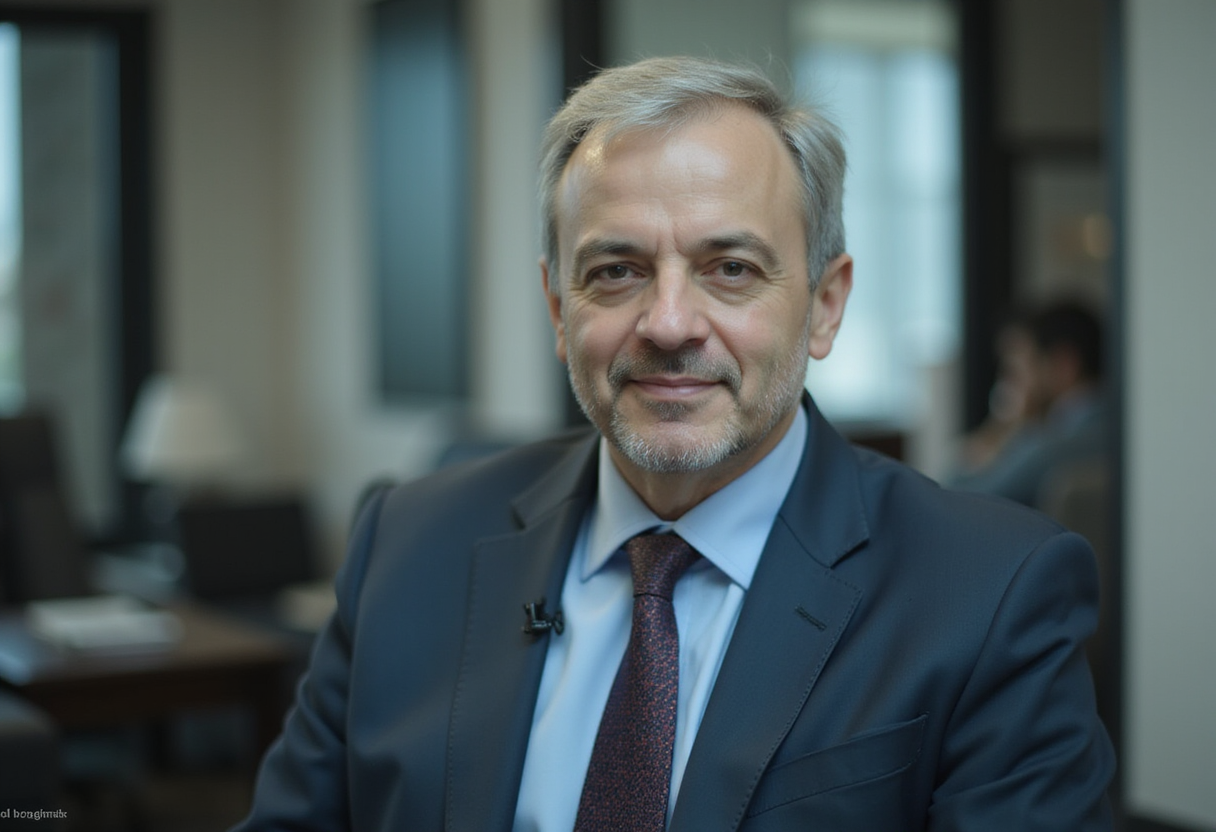
Iraq's oil minister has traveled to Riyadh to take part in OPEC+ discussions alongside broader global energy talks, IraqiNews reported, confirming cabinet-level Iraqi participation in the latest round of producer-group meetings hosted in the Saudi capital.
The report gives no date range, delegate list, or agenda for the sessions. It confirms only the minister's attendance, the location, and the dual character of the discussions: OPEC+ matters and wider global energy dialogue.
Why does Iraq's seat at the table matter?
Iraq is the second-largest producer inside the Organization of the Petroleum Exporting Countries, a position it has held behind Saudi Arabia for years. Any meeting that shapes group output policy therefore carries direct consequences for Baghdad's export program, its budget arithmetic, and its upstream investment cycle.
OPEC+ is the expanded producer coalition that pairs the 12-member OPEC cartel with non-OPEC allies led by Russia. The group has managed voluntary production targets and staggered supply returns since 2016, and its ministerial gatherings set the quota adjustments that ripple through crude loading schedules from Basra to Novorossiysk.
Iraq's own compliance record is part of that story. The country has repeatedly pumped above its allocated quota and has submitted compensation schedules to offset past overproduction, a running item on the group's agenda whenever Iraqi ministers meet counterparts.
In short: when Iraq's oil minister sits down with OPEC+ peers, quota compliance and export levels are the default currency of the conversation.
What is on the Riyadh agenda?
The IraqiNews report frames the Riyadh engagement as twofold. First, OPEC+ consultations — the producer-coordination track that covers output targets and market management. Second, what the outlet describes as global energy talks, indicating participation beyond the strict OPEC+ format.
The report does not specify:
- which other ministers or delegations attend;
- whether a full ministerial meeting or a consultative session is scheduled;
- any decision on production quotas;
- any bilateral agreements signed on the sidelines.
Readers should treat agenda speculation beyond these confirmed elements as unattributed. What is established is the minister's presence in Riyadh and the meeting's dual OPEC-plus-global-energy scope, as reported by IraqiNews.
How does this fit the producer group's calendar?
OPEC+ holds scheduled full ministerial meetings, typically in Vienna, and more frequent gatherings of its Joint Ministerial Monitoring Committee, the eight-country panel that reviews compliance and recommends policy. Consultations in Riyadh outside that formal calendar generally signal preparatory or bilateral diplomacy rather than binding quota decisions.
IraqiNews does not state which format the Riyadh sessions take. The presence of what the outlet calls global energy talks alongside OPEC+ discussions suggests a broader convening, but the report stops short of naming participants or outcomes.
The takeaway in plain words: Iraq is present where output policy gets discussed, and its attendance alone marks the event as consequential for crude markets.
What should watchers track next?
The watch items are procedural. Watch for a communiqué or statement from the Iraqi oil ministry confirming what the minister raised in Riyadh, and for any readout from OPEC+ on the next ministerial decision. Watch, too, for Iraq's next monthly production figure from OPEC's secretariat or the secondary sources the group uses for quota accounting — the number that shows whether Baghdad's output moves after the talks.
Until an official statement lands, the confirmed facts stand as follows: Iraq's oil minister is in Riyadh, the meetings cover OPEC+ and global energy topics, and IraqiNews is the reporting outlet. The market signal, if any, arrives with the next quota announcement or the ministry's own summary of the discussions.
via Google News: OPEC and oil markets (Source)
More from Olivia Hart
Show full bio
Correspondent covering technology and product news in Oil and gas industry operations and markets at Rig & Refinery.
464 articles
Adjoining reports
- Iraq Presses OPEC for Major Increase in Its Crude Production Quota
- Iraq Aims to Double Oil Output, Wants OPEC Quota Relief
- OPEC Secretary General Credits Kuwait as Architect of OPEC+ Alliance
- Iraq Piles Pressure on OPEC Over Quota Dispute After UAE Exit
- Iraq Threatens OPEC Exit Unless Crude Output Quota Raised