Well report No. RR-1902 · T18N · R45W · SEC 30 · filed October 15, 2026
Midstream & PipelinesWell report
Iraq-Syria pact revives dormant crude pipeline to bypass Hormuz
Iraq and Syria signed a bilateral agreement to restore a dormant cross-border crude pipeline that would offer Baghdad a Mediterranean export route bypassing the Strait of Hormuz. Neither government disclosed capacity, restart date, or cost.
Field notes
- Iraq and Syria signed a bilateral agreement to restore a dormant cross-border crude pipeline, per CNBC.
- The restored line would link northern Iraqi oilfields to the Syrian Mediterranean terminal at Banias.
- The pipeline would offer Iraq a Mediterranean export route bypassing the Strait of Hormuz.
- The pipeline has been offline since the early 2000s following conflict and international sanctions on Damascus.
- Neither government disclosed a target capacity in barrels per day, a restart date, or an estimated rehabilitation cost.
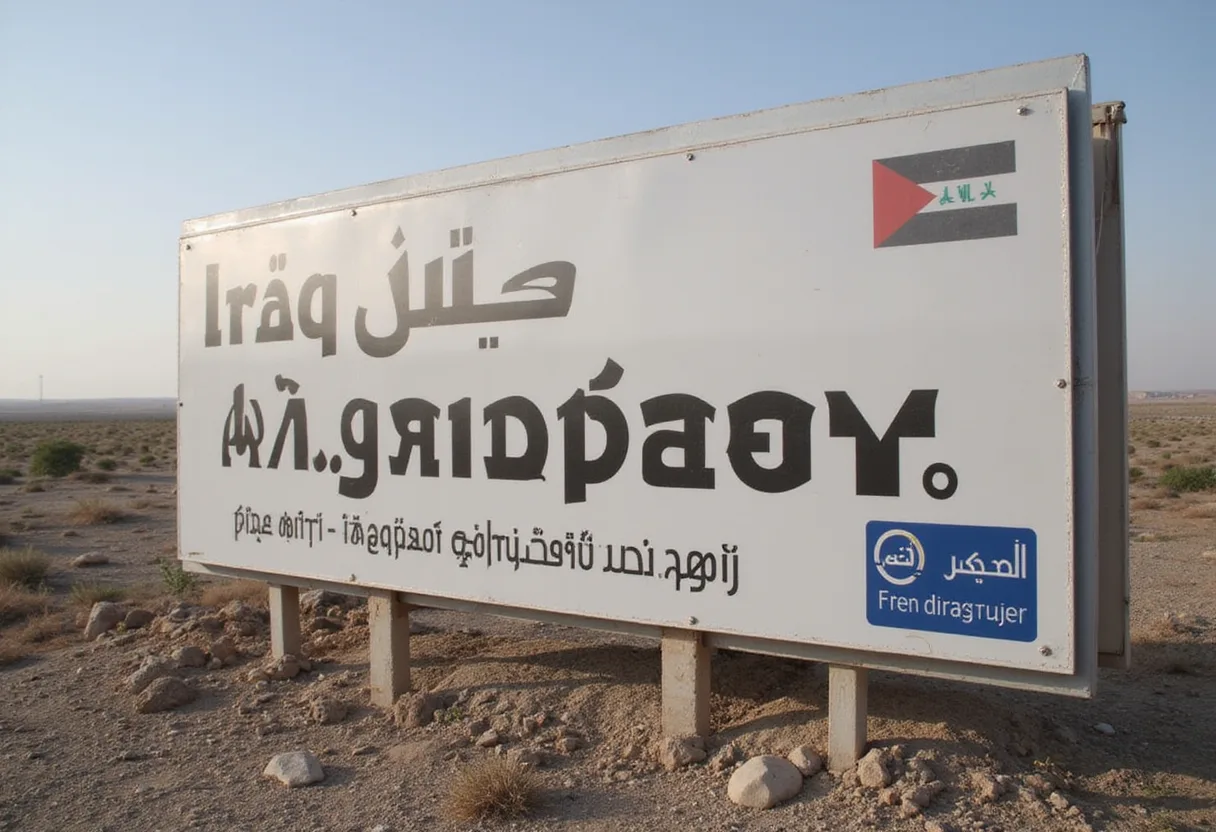
What did Iraq and Syria agree to restore?
Iraq and Syria have signed a bilateral agreement to reactivate a dormant cross-border crude pipeline. The accord targets rehabilitation of infrastructure linking northern Iraqi oilfields to the Syrian Mediterranean terminal at Banias. The pipeline, constructed during the 1970s and 1980s, has been offline since the early 2000s. Conflict and international sanctions on Damascus halted transit. The agreement marks the first formal step toward physical rehabilitation since the line went dark more than two decades ago. The restored line would offer Baghdad a Mediterranean export route that bypasses the Strait of Hormuz. It would give Iraq a third export corridor in addition to its existing Gulf and Turkish routes. The agreement establishes a framework for technical cooperation between the two governments without committing either party to specific volumes, timelines, or capital expenditure allocations at this early stage.
Takeaway: The agreement is a political commitment to study rehabilitation, not a confirmed engineering project.
What capacity and timing has been disclosed?
Neither government disclosed a target capacity in barrels per day (bpd), a restart date, or an estimated rehabilitation cost. The announcement did not specify which Iraqi fields would feed the line. The statement did not address whether third-party operators would join the project. It did not confirm whether new pipeline sections would replace damaged segments. Without those numbers, traders cannot yet price additional Iraqi crude into forward curves, and refiners cannot revise Mediterranean supply assumptions with any confidence. Those decisions remain with a future technical assessment.
Takeaway: The disclosure is thin. Watch for a joint technical assessment to convert political commitment into engineering parameters.
Why does the route matter strategically?
Iraq currently moves the majority of its crude through southern Gulf terminals clustered near Basra, where tankers load before transiting the Strait of Hormuz en route to Asian, European, and North American buyers. Iraq has historically depended on two export corridors: the Iraq-Turkey Pipeline (ITP), running from Kirkuk to Ceyhan on the Turkish Mediterranean coast, and the southern Gulf route via Basra. The ITP has faced recurring payment disputes between Baghdad and Ankara. It has also faced security incidents in the Kurdistan Region. Southern Gulf exports remain hostage to Hormuz volatility and weather events at Gulf of Oman loading points. A Mediterranean route via Banias would diversify Iraq's export architecture. It would also reduce reliance on Turkish transit tariffs and shorten voyage distances to Mediterranean refineries.
Takeaway: A working Banias route would give Iraq partial insurance against both Hormuz disruption and ITP interruption.
What are the sanctions and security risks?
Sanctions risk remains the central uncertainty. U.S. Treasury sanctions on Damascus continue to apply to certain transactions, and any rehabilitation work, equipment supply, or financial settlement will require careful compliance review before operators and investors commit capital to the project. Syrian port infrastructure at Banias, damaged during the civil war, requires separate investment outside the pipeline envelope. That investment is not part of the current accord. The deal arrives amid broader regional realignment. Syria's re-entry into the Arab diplomatic mainstream progressed through 2025. Iraqi-Syria energy ties form part of that normalization arc.
Takeaway: Project finance will wait for U.S. Treasury guidance. Engineering will wait for security guarantees along the Syrian transit corridor.
What should traders and refiners watch?
Watch items include a definitive capacity figure in a joint technical assessment; a financial investment decision (FID) by Baghdad or a consortium partner; security guarantees for the Syrian transit corridor; formal U.S. Treasury guidance on permissible activity; and any tender for rehabilitation EPC (engineering, procurement, and construction) contracts.
Takeaway: The agreement opens a file. It does not yet open a flow.
via Google News: Pipelines and midstream (Source)
More from Olivia Hart
Show full bio
Correspondent covering technology and product news in Oil and gas industry operations and markets at Rig & Refinery.
479 articles