Well report No. RR-7534 · T10N · R21W · SEC 10 · filed October 16, 2026
OffshoreWell report
Norwegian Sea Frontier: 30 Years Undrilled, Back on the Map
Norway's Norwegian Sea frontier has sat undrilled for 30 years under volcanic rock. New seismic imaging and directorate interest may finally change that.
Field notes
- Parts of the Norwegian Sea have seen virtually no exploration drilling for more than 30 years.
- The Norwegian Offshore Directorate reports potentially significant undiscovered oil and gas under volcanic rock.
- Advances in seismic and exploration technology are the trigger for renewed industry interest.
- No wells have been spudded; the play remains at appraisal-stage speculation.
- Norway opened the relevant Norwegian Sea areas to petroleum exploration in the early 1990s.
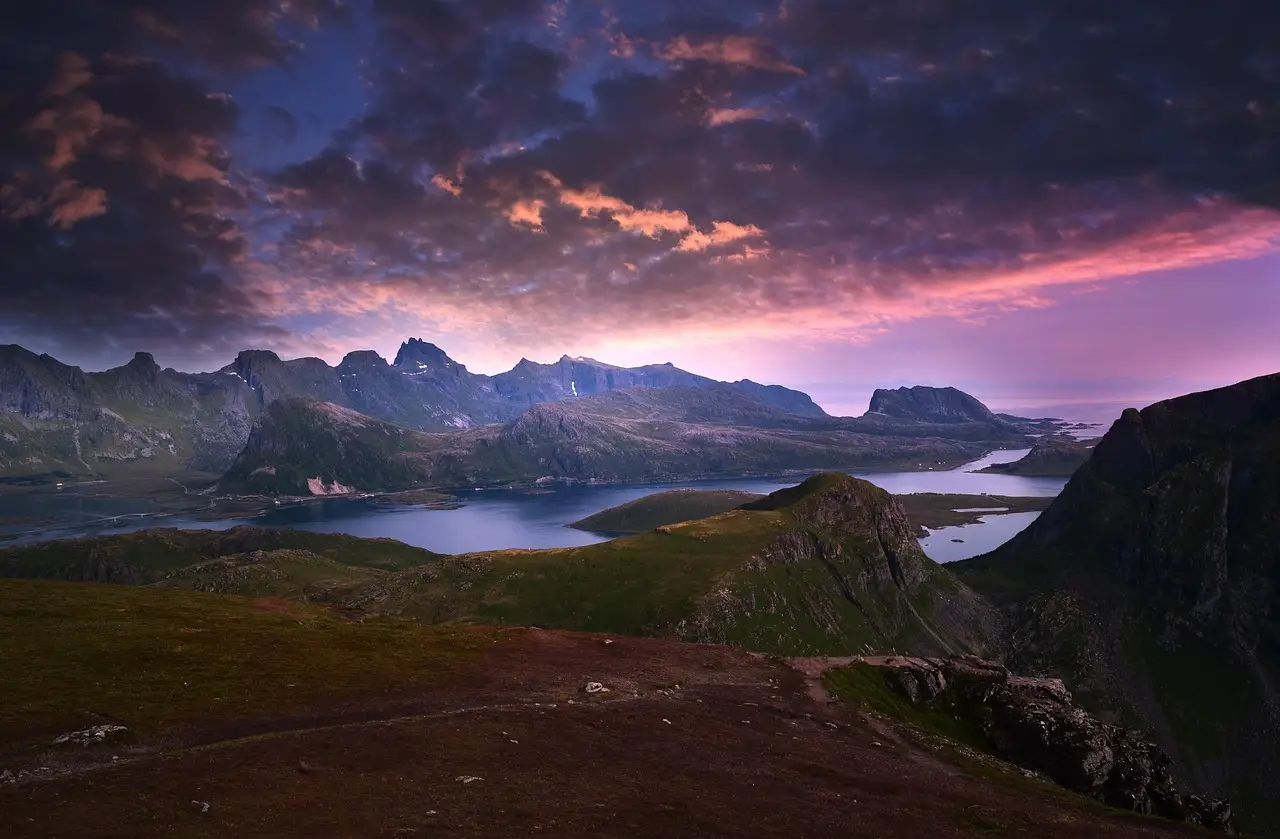
More than three decades have passed since Norway opened parts of the Norwegian Sea to exploration drilling, and the Norwegian Offshore Directorate still counts substantial undiscovered oil and gas beneath the acreage. That is the number that moves this story: 30-plus years of near-total drilling silence in one of Europe's least explored offshore frontiers.
The obstacle has always been geological, not political. Thick layers of volcanic rock sit above the prospective reservoirs, masking the structures that conventional seismic methods read with ease elsewhere on the shelf. Three decades of technology were not enough to see through that cover. The current generation of seismic imaging apparently is, and the directorate's renewed public attention to the area signals as much.
What has changed since the 1990s?
The short answer is imaging. Advances in exploration technology — chiefly seismic processing capable of penetrating basalt and volcanic sequences — have turned a geological blank spot into an interpretable province. Renewed industry interest completes the picture. Operators that once wrote off the frontier as undrillable now see a testable play.
For scale: Norway's opened Norwegian Sea segments have gone essentially untouched by exploration drilling since the early 1990s. In petroleum terms, that is two full licensing generations. In human terms, a geologist who mapped the area as a graduate may now see it drilled in retirement.
The distinction matters for readers sorting signal from noise. Nothing here is sanctioned. No well has been spudded, no discovery declared, no development plan filed. This is appraisal-stage speculation in the purest sense — a frontier whose resource numbers exist only as directorate estimates under rock nobody has pierced.
How large could the prize be?
The Norwegian Offshore Directorate describes the potential as significant, without publishing a well-level target in the material released. The framing is deliberate. Undiscovered resources under volcanic cover carry error bars wide enough to park a semisubmersible in.
What is concrete:
- The acreage has seen virtually no exploration drilling for more than 30 years.
- The Norwegian Offshore Directorate, the state's own resource agency, is the source of the renewed interest.
- Technology, not new geology, is the trigger.
That last point deserves emphasis. The rocks have not moved. The tools for reading them have.
Why the timing suits Norway
A frontier that reopens now enters a European market still adjusting supply chains after three years of redirected gas flows. Any Norwegian Sea gas found here would arrive into established infrastructure and established demand — provided a discovery survives appraisal, and provided the timeline stays inside a decade. Frontier arithmetic rarely cooperates with market timing. It has not cooperated here for 30 years.
The directorate's interest also fits a maturing base picture. Norway's producing fields are not getting younger, and the agency has spent several licensing rounds coaxing explorers toward the margins of the shelf. A volcanic-covered frontier is the logical last drawer to open.
Industry interest, it should be noted, remains interest — a sentiment, not a commitment, and one that oil price swings can reverse between licensing rounds.
The watch items
Two dates will convert this story from geology to barrels. The first is the next licensing round in which the directorate includes these blocks — watch for awards, not announcements. The second is a spud date for the first well to penetrate the volcanic sequence. Everything before those two moments is seismic and speculation.
The verdict: an old frontier with new eyes on it. Norway has drilled around this rock for a generation. Someone will eventually drill through it.
By Daniel Okafor, Rig & Refinery
via sodir.no (Original)
More from Daniel Okafor
Show full bio
Market editor covering companies, deals and strategy in Oil and gas industry operations and markets at Rig & Refinery.
485 articles
Adjoining reports
- Greenland Clears Environmental Hurdle on Path to Oil Drilling
- EU Holds Line on Arctic Drilling Ban as Norway Presses Case
- EU Holds Line Against New Arctic Oil Drilling
- Verdandi-Lillefix appraisal lifts recoverable volume to 8–15 mbbl off Norway
- Greenland tempers expectations on US Arctic drilling timeline