Well report No. RR-6540 · T10N · R41W · SEC 10 · filed October 12, 2026
Petroleum MarketsWell report
OPEC Trims 2026 Oil Demand Growth Outlook to 400,000 Bpd
OPEC has cut its 2026 global oil demand growth forecast to 400,000 bpd, tightening the window for non-OPEC supply gains and OPEC+ barrels returning to market.
Field notes
- OPEC lowered its 2026 oil demand growth forecast to 400,000 bpd.
- The revision continues a series of downward adjustments to the cartel's demand outlook.
- The figure frames OPEC+ production policy debates and quota decisions ahead.
- A full regional breakdown will follow in the group's detailed monthly report.
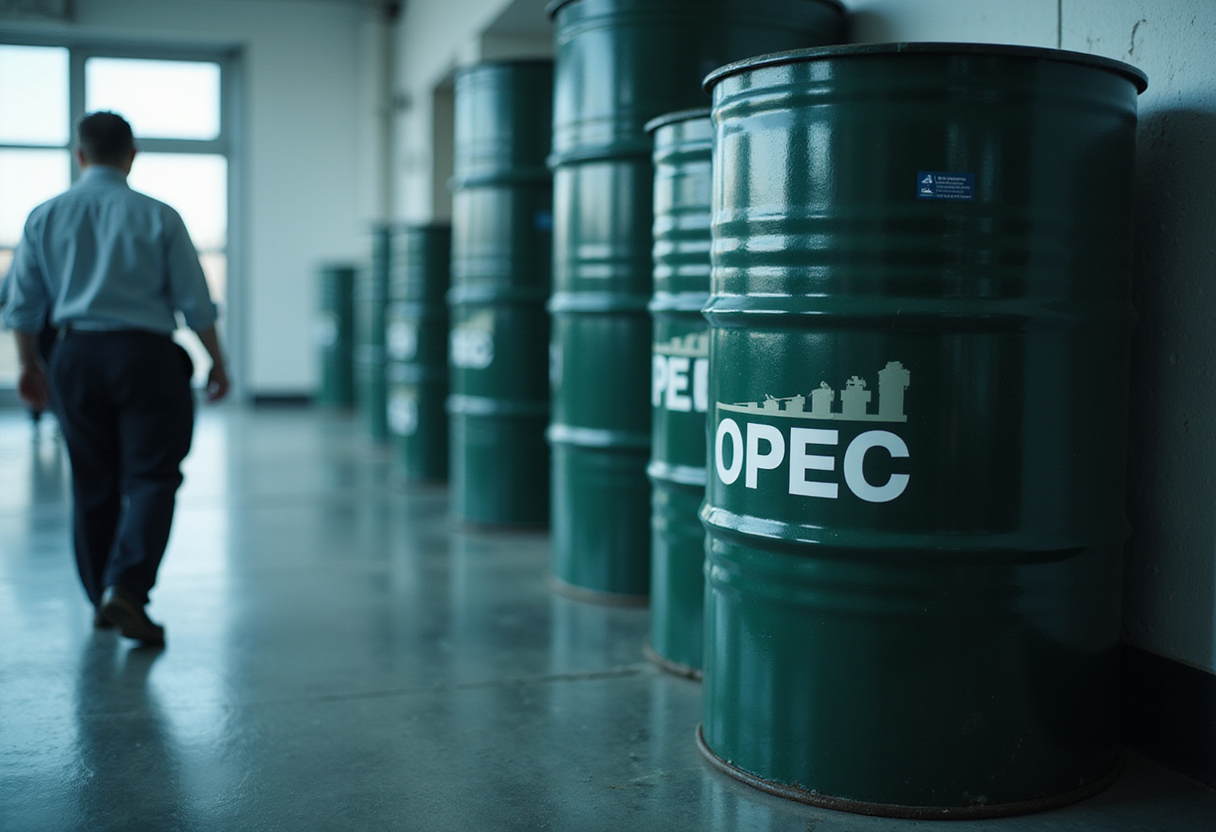
OPEC has cut its forecast for global oil demand growth in 2026 to 400,000 bpd, according to the cartel's latest outlook reported by the Oman News Agency. The revision lands as the producer group continues to calibrate supply policy against a softening consumption picture.
The 400,000-bpd figure is the operational number that matters for traders, refiners, and upstream planners alike. At that pace, demand growth in 2026 would sit well below the expansion rates that prevailed in the post-pandemic recovery years, when annual additions regularly exceeded one million barrels per day. A sub-half-million-barrel growth environment tightens the space available for non-OPEC supply gains, US shale volumes, and OPEC+ crude returning to the market.
What does the revised forecast signal?
For the downstream, slower demand growth sharpens scrutiny of refinery runs and cracking margins. Refiners weighting throughput toward middle distillates have outperformed in recent quarters, while gasoline-led complexes in North America face seasonal pressure. A weaker 2026 demand base gives planners less cushion when scheduling turnarounds and capacity additions.
For upstream operators, the forecast feeds directly into field-development economics. Companies sanctioning projects this year will bring barrels to market into the demand window the cartel has now marked down. FIDs sized on more optimistic consumption assumptions may face renewed internal review.
How does this fit OPEC's recent forecasting pattern?
The 2026 cut continues a run of downward revisions from the Vienna-based group. Over successive monthly reports, OPEC has repeatedly trimmed its demand outlooks for both the current and following years, citing softer-than-expected consumption data. The International Energy Agency has tracked even lower growth numbers in its own parallel assessments, widening the gap between the two institutions' views of the market balance.
Each downward move matters because OPEC+ ministers lean on the secretariat's numbers when they debate production quotas. A demand-growth reading of 400,000 bpd for 2026 implies a market where the group's spare capacity — and the barrels it has been gradually returning from voluntary cuts — face diminishing headroom.
Who does the number pressure most?
The burden falls first on the group's higher-cost producers and on unconventional supply outside the cartel:
- US shale operators, whose breakevens assume a demand floor that supports export volumes to Asia and Europe
- OPEC+ members restoring curtailed output, who must sequence returns against a thinner growth envelope
- Refiners planning 2026 turnarounds, who will size runs against weaker throughput growth
- Newly sanctioned upstream projects, whose FID economics were benchmarked to earlier, higher demand curves
What is the watch item?
The next OPEC monthly report and the subsequent OPEC+ ministerial meeting carry the weight now. Watch whether the group revises 2026 again — and whether delegates frame the 400,000-bpd growth figure as justification for extending or recalibrating current production targets. The margin between forecast demand growth and non-OPEC supply additions will determine how much of the cartel's spare capacity the market actually calls on in 2026.
OPEC has not yet published the full demand breakdown by region alongside the headline revision; the detailed monthly report will show which consuming regions drove the cut. Until then, the 400,000-bpd number stands as the group's opening position on 2026 — and the baseline against which every supply decision next year will be measured.
via Google News: OPEC and oil markets (Source)
More from James Calloway
Show full bio
Staff writer covering people, launches and day-to-day practice in Oil and gas industry operations and markets at Rig & Refinery.
478 articles