Well report No. RR-1467 · T15N · R41W · SEC 27 · filed October 13, 2026
Petroleum MarketsWell report
Report: UAE Says It Is Leaving OPEC, Oil Market Left Waiting
NPR reported the UAE is leaving OPEC, but no official statement, date, or quota detail backs the claim. Markets now wait on Abu Dhabi and Vienna to confirm.
Field notes
- NPR reported the UAE has announced it is leaving OPEC; no date given.
- No Emirati ministry or OPEC secretariat statement accompanies the report.
- The report contains no named officials, quotes, or production figures.
- Qatar's January 2019 exit is the most recent comparable OPEC departure.
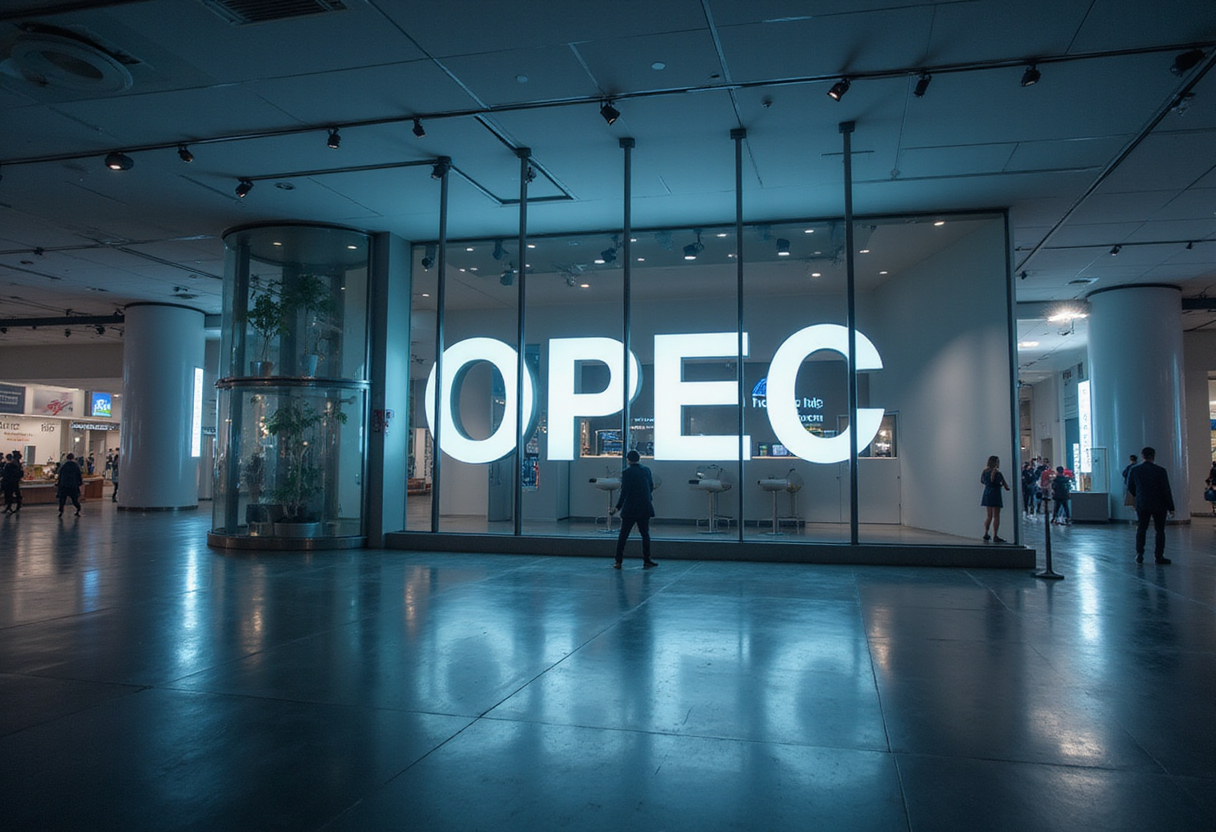
A single headline moved the oil market's attention this week: NPR reported that the United Arab Emirates has announced it is leaving OPEC. That is the whole of the sourced claim. No Emirati ministry statement, no OPEC communiqué, and no production figure accompanies it.
For an organization that runs on precision, the story is unusually thin. Here is what the source actually says, and what it does not.
What does the report actually claim?
The NPR item carries one assertion: the UAE announced its departure from OPEC (the Organization of the Petroleum Exporting Countries), the 12-member group that coordinates output policy among major producers.
The report does not include:
- A date for the withdrawal or any transition period.
- A production quota change or new export target.
- A quote from an Emirati official, an OPEC representative, or a named company source.
- Any stated reason — quota frustration, capacity expansion, or otherwise.
The takeaway: one outlet's headline, no numbers, no named voices. That is a thin basis for a structural call on the producer group.
Why the market would take it seriously anyway
The UAE is not a marginal member. It is OPEC's third-largest producer, pumping roughly within a group that dominates global supply policy alongside the wider OPEC+ alliance with Russia and others. Any exit would leave a gap in the cartel's coordination mechanism and hand a large quota question to the remaining members.
Still, an announcement this consequential would normally arrive with ceremony. We would expect a formal statement from Abu Dhabi, a response from the OPEC secretariat in Vienna, and a scheduled press conference — the choreography that has accompanied every major membership change since the group's founding in 1960.
None of that appears in the report. The absence is the story. The takeaway: extraordinary claims require official paper, and so far there is none on the record.
Is there precedent for this kind of rumour?
Producer-group exits are rare but not unheard of. Ecuador left OPEC in 2020, citing fiscal constraints. Indonesia suspended its membership in 2016 when it balked at its quota. Qatar quit in January 2019 to focus on its liquefied natural gas business — a clean, announced, dated departure.
The UAE case, if the report holds, would be different in scale. The country has invested heavily to expand crude capacity, and it has chafed at times under OPEC+ output restraint. But chafing is not withdrawal, and capacity ambition is not a resignation letter.
The takeaway: rumours of frustration circulate regularly inside OPEC; actual exits come with documents.
What should readers watch now?
- A confirmation or denial from the UAE energy ministry or state news agency WAM.
- A statement from the OPEC secretariat, which has historically moved fast to rebut false membership claims.
- Brent and Dubai crude price reaction in the next sessions, which will tell you how much of the headline the trading desks actually priced.
- The next OPEC+ ministerial meeting, where the UAE's quota position would be the first agenda item if this story is real.
Until an official source puts its name to the claim, treat this as an unconfirmed single-outlet report. The watch item is a verification — from Abu Dhabi or Vienna, whichever speaks first.
Priya Raman covers producer policy and downstream markets for Rig & Refinery.
via Google News: OPEC and oil markets (Source)
More from Priya Raman
Show full bio
Senior reporter covering technology and product news in Oil and gas industry operations and markets at Rig & Refinery.
476 articles