Well report No. RR-2167 · T15N · R41W · SEC 3 · filed October 14, 2026
Upstream Drilling & ProductionWell report
Santa Barbara County Board Votes to Ban New Onshore Oil Drilling
Santa Barbara County supervisors have banned new onshore oil drilling after a divided hearing. Existing production continues; the legal fight is only beginning.
Field notes
- Santa Barbara County supervisors approved a ban on new onshore oil drilling following a divisive public debate.
- The ban applies to new onshore permits; existing production is not halted under the reported measure.
- The vote carries symbolic weight in a county central to California petroleum history, including the 1969 Platform A spill.
- Ordinance text, vote tally, and implementation timeline had not been published in initial reporting.
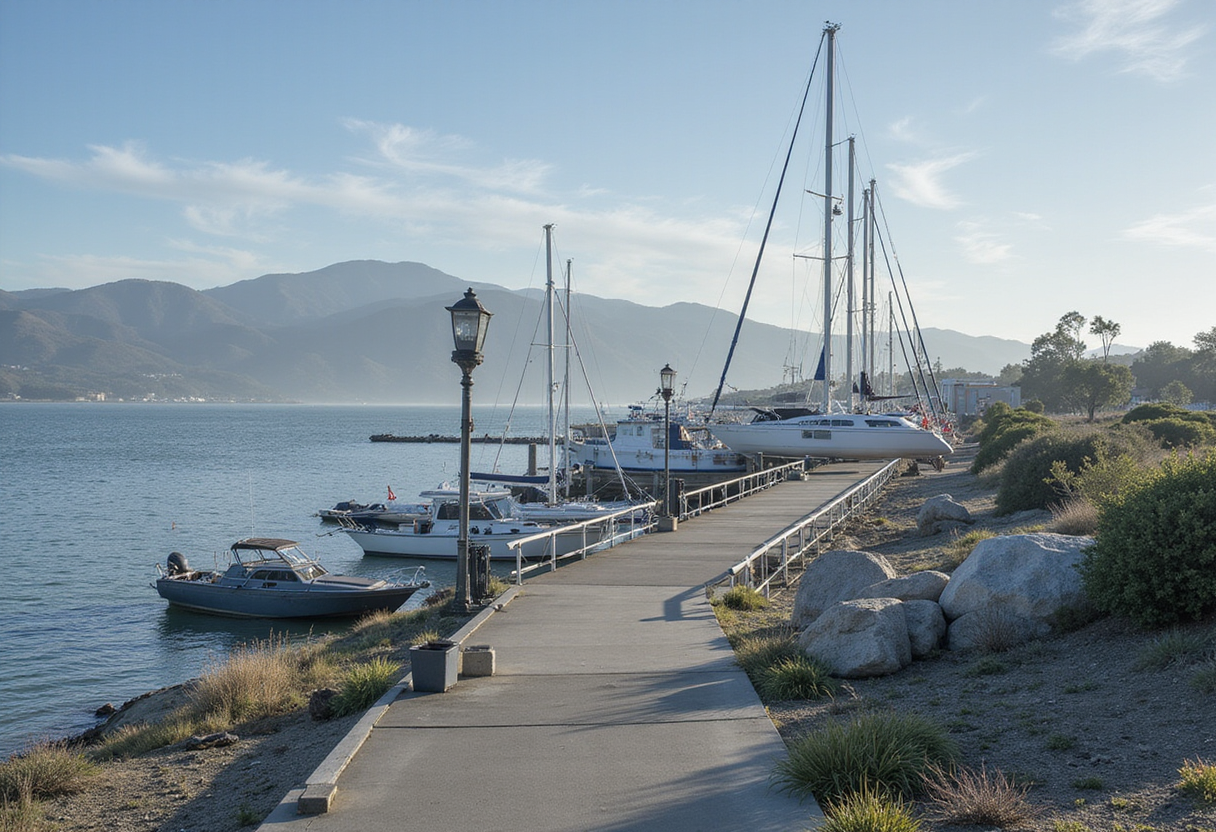
Santa Barbara County supervisors have approved a ban on new onshore oil drilling, capping a debate that split the boardroom and the public gallery alike.
The vote closes the door on fresh onshore permits in a county whose name is inseparable from California petroleum history. Existing operations are one matter. New wells are now another.
Edhat, the local outlet that reported the decision, characterised the supervisors' deliberations as divisive. Speakers on both sides filled the hearing room. The board nonetheless moved the prohibition forward.
What does the ban actually cover?
The measure targets new onshore drilling. By its plain terms, it bars county approval of fresh onshore oil wells rather than shutting down production already underway.
That distinction matters for operators holding active permits in the basin. A moratorium on new drilling and a shutdown of existing production are different instruments with different legal exposures. The former constrains growth. The latter invites litigation.
The county has not, on the reporting available, announced a timeline for implementing the ban or a mechanism for compensating leaseholders. Those details will decide whether the ordinance survives contact with the courts.
Takeaway: this is a growth constraint, not a production stoppage — for now.
Why Santa Barbara carries weight beyond its size
Few American counties carry as much petroleum history. The Santa Barbara field was among the earliest commercial oil provinces in California, and the 1969 Platform A blowout off the county's coast remains the reference event for every offshore leasing debate since.
Onshore production in the region has long been modest against the state's total, but symbolic weight was never measured in barrels. A ban here reads as precedent, whatever its operational footprint.
Neighbouring counties and state regulators will read the ordinance closely. Local prohibitions tend to travel in this policy climate.
Takeaway: the barrels at stake are small; the signal is not.
Who wins, who waits
For operators, the practical question is permit inventory. Companies with pending applications now face uncertainty about grandfathering. Companies in appraisal mode face a harder calculation: the county has priced political risk upward.
For advocacy groups, the vote is a template. Expect copies of this ordinance to surface in other producing counties over the coming year.
No production figures, operator names, or vote tallies appeared in the initial reporting. Until the county publishes the ordinance text, the precise scope — cyclic steaming, redrills, routine workovers — remains an open question.
Takeaway: the devil is in definitions nobody has published yet.
The watch items
Three things will settle whether this ban has teeth.
- The ordinance text. Whether it covers only new wells or reaches permits already in the queue.
- The legal response. Leaseholders have challenged lesser restrictions in California courts, often successfully.
- The copycat votes. Watch county boards in neighbouring producing districts for similar measures.
California onshore output has been in decline for years, so the immediate supply effect approaches zero. The margin effect on local refiners sourcing California crude is similarly negligible in the near term.
The larger cost is to future optionality — reserves that will now stay in the ground unless a court says otherwise.
Takeaway: watch the ordinance language and the first lawsuit. Either could undo this in a hurry.
via Google News: Oil drilling and production (Source)
More from Daniel Okafor
Show full bio
Market editor covering companies, deals and strategy in Oil and gas industry operations and markets at Rig & Refinery.
420 articles
Adjoining reports
- Santa Barbara County Board Bans New Onshore Oil Drilling
- Santa Barbara County Board Ends New Onshore Oil Drilling
- California Weighs Reparations for Residents Living Near Oil Wells
- Conservation Groups Challenge Permit For California Coastal Oil Pipeline
- Washington advances next procedural step toward California offshore drilling