Well report No. RR-9120 · T6N · R15W · SEC 30 · filed October 15, 2026
OffshoreWell report
Shell Taps HYDRA SUBSEA for Subsea Tie-In Pipeline Installation
Shell has signed an agreement with HYDRA SUBSEA for installation of a subsea tie-in pipeline, adding a specialist contractor to its offshore connection workload.
Field notes
- Shell signed an agreement with HYDRA SUBSEA for subsea tie-in pipeline installation.
- The scope covers installation of a pipeline connecting subsea infrastructure.
- No contract value, basin, host facility or schedule was disclosed in the announcement.
- Tie-in pipelines link new subsea wells to existing platforms, a core model in Shell's deepwater portfolio.
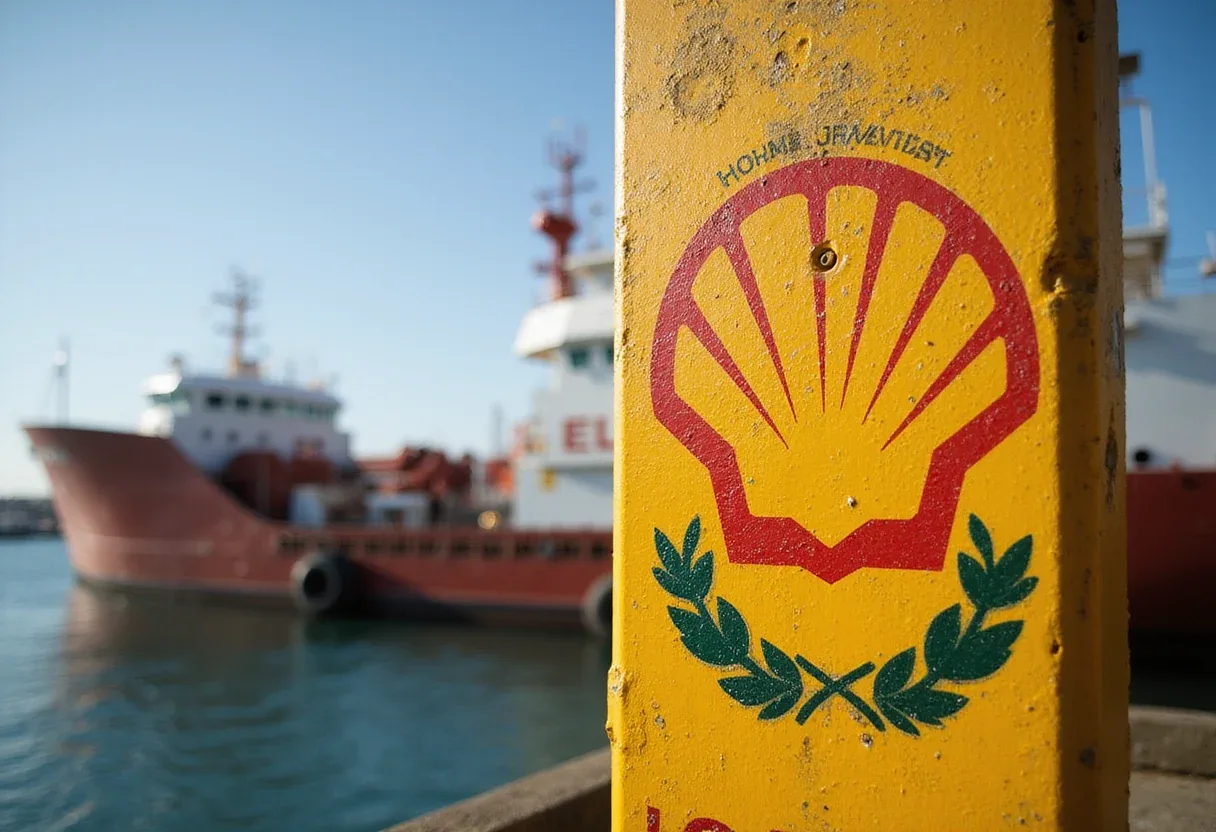
Shell has signed an agreement with HYDRA SUBSEA covering the installation of a subsea tie-in pipeline, according to Oil & Gas Journal — a deal that puts a niche installation contractor inside one of the sector's most active portfolios of subsea developments.
The contract, disclosed through the trade press, centers on tie-in pipeline installation: the connecting steel that links new subsea wells to existing infrastructure. For operators like Shell, tie-backs are the workhorse of deepwater economics. They let producers monetize smaller discoveries by hooking them to platforms and flowlines already sitting on the seabed, rather than paying for standalone facilities.
What does the agreement cover?
The scope is installation of the tie-in pipeline itself — laying and connecting the line that will bring hydrocarbons from a subsea completion into Shell's existing network.
That's the entirety of what the announcement states. Shell and HYDRA SUBSEA signed the agreement; the pipeline's purpose is subsea tie-in. The operator is Shell. The contractor is HYDRA SUBSEA. Neither a project value, a water depth, a pipe diameter, nor a target basin was named in the disclosure.
Who is HYDRA SUBSEA?
The Norwegian-named contractor is the less familiar party here, and its selection is the story's quiet signal. Subsea tie-in work — metrology, spool fabrication, pipeline installation and connection at the seabed — sits at the specialized end of the offshore services market.
When a major like Shell signs an installation agreement with a focused subsea contractor rather than routing the work through a full-surface EPCI house, it usually says something about how the company wants that scope executed: tightly, and with a crew that does little else.
Why tie-ins matter to Shell's portfolio
Shell ranks among the largest deepwater operators in the world, with producing hubs across the Gulf of Mexico, Brazil's pre-salt basins and the UK North Sea. Across those provinces, the tie-back model dominates new activity: wells drilled into satellite fields, then connected by pipeline to aging but still-productive host platforms.
Every tie-in pipeline extends the life of that host infrastructure and defers decommissioning — one of the heaviest liabilities on any mature-basin balance sheet.
The installation agreement fits that pattern: more connections on the seabed, more barrels through facilities that have already paid for themselves.
What we still don't know
The announcement leaves the operational picture incomplete, and a careful reader should hold the story there:
- No contract value was disclosed.
- No water depth, pipeline length or diameter appears in the announcement.
- The basin, play or host facility was not named.
- No installation window or startup date was given.
Until Shell or HYDRA SUBSEA anchors the work to a specific field, the agreement sits in the contract-signing category rather than the sanctioned-project column — real commercial news, but unanchored to a development.
The watch item
The detail that will move this from contract note to project story is location. Watch for Shell or the contractor to name the host facility and the field being tied back — that disclosure will bring the water depth, the schedule and, eventually, the first oil date.
via Google News: Pipelines and midstream (Source)
More from Elena Vasquez
Show full bio
News editor covering technology and product news in Oil and gas industry operations and markets at Rig & Refinery.
474 articles
Adjoining reports
- Shell Signs HYDRA SUBSEA for Gulf of Mexico Tie-In Pipelines
- Three-field NCS FPSO tie-back delivers first oil a year early
- CoreMarine closes BravOcean acquisition to deepen Brazil subsea push
- Transocean books $1.1 billion in new backlog from Equinor and Shell
- Seadrill Lines Up More Offshore Drilling Work for Three Rigs in US Gulf, Malaysia