Well report No. RR-8336 · T12N · R47W · SEC 12 · filed October 13, 2026
Midstream & PipelinesWell report
Tantita pipeline security lifts Nigeria FX reserves to near $55 billion
Tantita's Niger Delta pipeline-security mandate has helped lift Nigeria's foreign exchange reserves to nearly $55 billion, reconnecting upstream crude flows to the central-bank ledger.
Field notes
- Nigeria's foreign exchange reserves have rebounded to nearly $55 billion.
- Tantita Security Services Nigeria Limited runs pipeline-surveillance and asset-protection contracts in the Niger Delta.
- The mandate sits under the Nigerian National Petroleum Company (NNPC) Limited.
- The Niger Delta spans roughly 70,000 square kilometres and feeds the Bonny, Forcados and Escravos export terminals.
- Traders credit a firmer Brent tape over the past year with supporting Nigeria's export receipts.
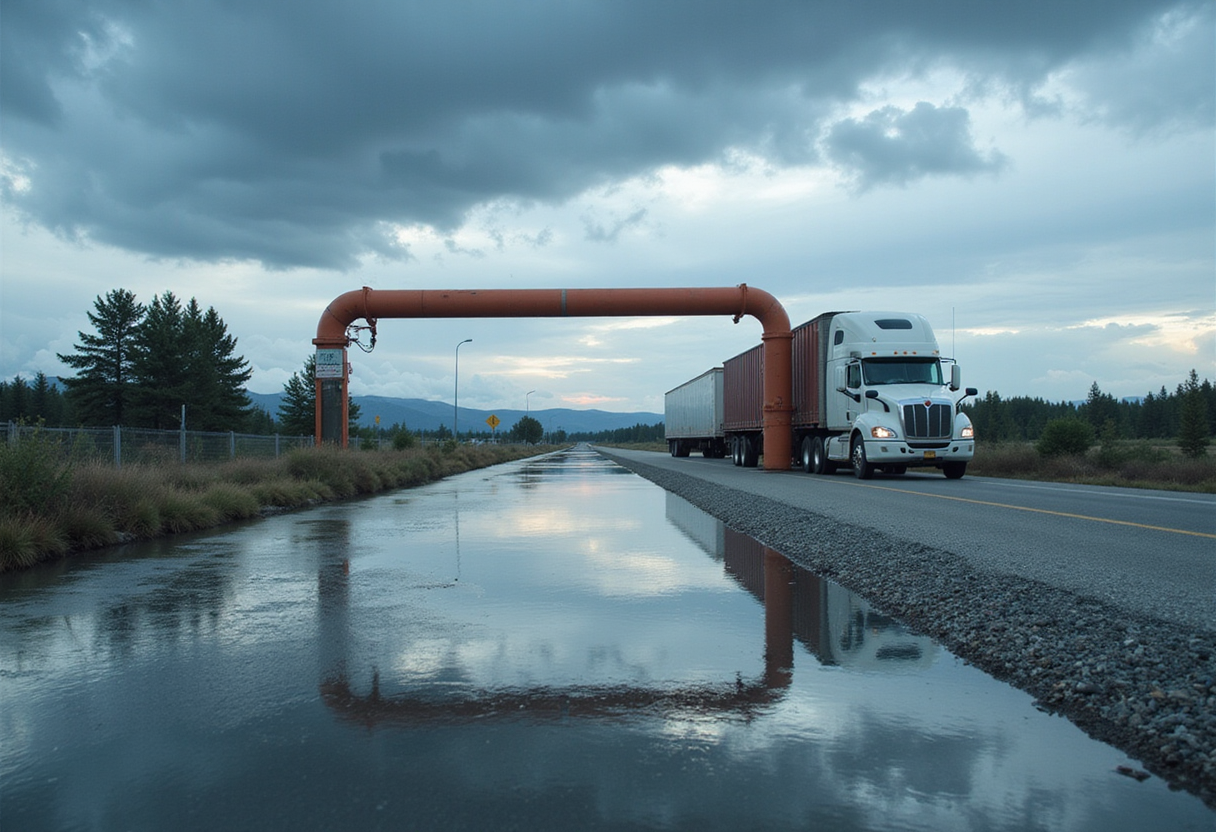
Nigeria's foreign exchange reserves have climbed to nearly $55 billion, returning toward levels last seen before the 2022 oil-market shock.
The rebound traces to work in the Niger Delta. Tantita Security Services Nigeria Limited runs pipeline-surveillance and asset-protection contracts along the swamp creeks and trunk lines that carry crude toward the country's export terminals. The mandate sits under the Nigerian National Petroleum Company (NNPC) Limited.
Where illegal tapping once diverted a sizeable share of export volumes, the surveillance footprint has now narrowed the loss.
How does pipeline protection translate into reserves?
Each unbunkered barrel moves into the dollar pool. Oil receipts dominate Nigeria's gross foreign earnings. When theft rises, the country ships less crude, collects fewer dollars, and the reserves slide. When theft falls, the arithmetic reverses. The current $55 billion figure is, in essence, an upstream number dressed in central-bank clothing.
The link runs a short, unglamorous route: pipeline surveillance reduces theft, theft reduction raises export volumes, export volumes raise dollar receipts, and dollar receipts show up on the reserves line at month-end. Each step is operational, not strategic.
Bottom line: more barrels out, more dollars in.
What scale does the operation cover?
The Niger Delta spans roughly 70,000 square kilometres of mangrove, freshwater swamp and tidal creeks. Crude leaves the region through a handful of trunk lines and reaches the export terminals at Bonny, Forcados and Escravos. Theft has historically targeted welded joints, valve stations and river crossings.
The Tantita patrol runs a mixed fleet of boats, helicopters and community-based intelligence, an approach the company argues is more durable than pure force. The model blends kinetic security with negotiated access; creek communities host the patrol boats and share in the protected flow. The work runs continuous; gaps in coverage invite a return to theft within days.
The Nigerian Upstream Petroleum Regulatory Commission (NUPRC) tracks the numbers monthly. Operators and security contractors report volumes lifted, volumes lost, and volumes delivered to terminal storage. The narrower the gap between lifted and delivered, the more crude reaches the export buoy, and the more dollars flow back to Abuja.
Watch the line: every unbunkered barrel is a dollar that did not leak away.
Is the rebound durable?
That question sits with operators, not commentators. Crude theft is opportunistic; it migrates to whichever line carries the lightest patrol. NNPC and its security partners have added permanent repair programmes to the patrols, replacing welded patches with full sectional replacement on the most exposed laterals.
The work costs money, but it pays back in unbunkered barrels. Repair crews work in parallel with the patrol fleet, prioritising trunk lines that feed the highest-throughput terminals. They also keep a closer watch on the lateral lines that run to the marginal fields, where a tap can bleed cash without setting off the trunk-line alarm.
Traders credit a firmer Brent tape over the past year, which supports export receipts before the anti-theft dividend is counted. Both engines now run in the same direction.
Plain verdict: the maths holds as long as the patrol holds.
What are the watch items?
The next NNPC monthly throughput report will show whether the narrowed gap held through the latest quarter. The federal budget-oil benchmark revision will test whether the finance ministry builds the rebound into its planning assumptions. The loading schedules at the Bonny and Forcados export terminals will show whether liftings remain consistent with the trend.
Pipeline security is unglamorous work. It is also the kind of work that moves a reserves line at the central bank.
via Google News: Pipelines and midstream (Source)
More from Daniel Okafor
Show full bio
Market editor covering companies, deals and strategy in Oil and gas industry operations and markets at Rig & Refinery.
408 articles
Adjoining reports
- Nigeria's NSA Unveils Security Framework Against Oil Theft
- Nigeria's NSA rolls out security framework targeting oil theft, pipeline vandalism
- Nigeria Unveils Security Framework for Oil, Gas Infrastructure
- Nigeria's NSA unveils security framework for oil theft, pipelines
- Nigeria's NSA rolls out new strategy against oil theft, pipeline vandalism