Well report No. RR-7015 · T11N · R39W · SEC 23 · filed October 14, 2026
Upstream Drilling & ProductionWell report
U.S. Methane Emissions Flatline as Oil and Gas Output Climbs
U.S. methane emissions have flatlined even as oil and gas production climbs, Phys.org reports — a decoupling that lowers emissions intensity and eases pressure on LNG market access.
Field notes
- U.S. methane emissions have flatlined despite increases in oil and gas production, Phys.org reports.
- Rising output against flat methane means emissions intensity per unit produced is declining.
- Flat methane performance is increasingly relevant to LNG buyers writing emissions thresholds into supply agreements.
- Durability of the trend remains unconfirmed until it holds under improved satellite and aerial measurement.
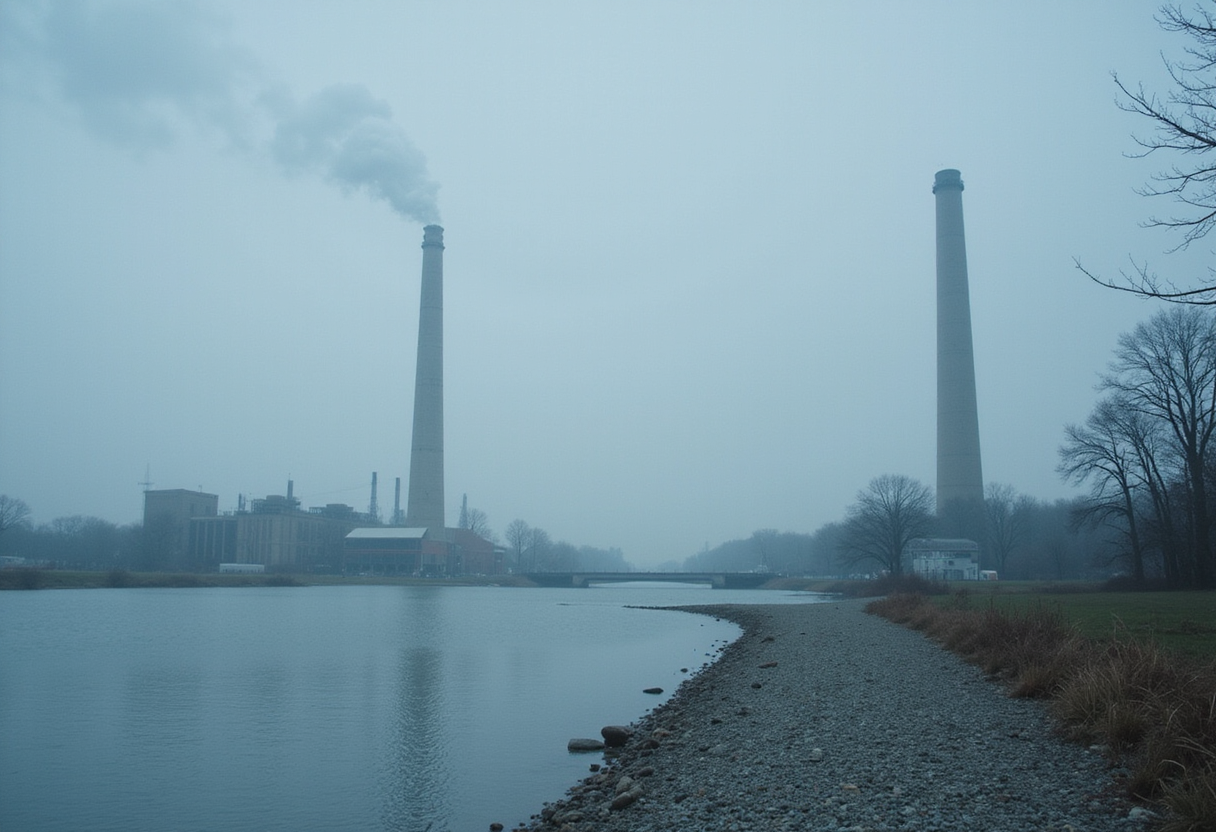
U.S. methane emissions have flatlined even as oil and gas production keeps rising. That is the headline finding reported by Phys.org, and it deserves a careful read from anyone tracking emissions intensity across the basins.
The pattern matters. Producers have lifted volumes for years, yet the methane curve no longer follows the production curve upward. For an industry that spends its life defending intensity metrics, this is the rare data point that does the defending for it.
What does the flatline actually show?
The reported trend covers national methane emissions from the U.S. oil and gas system. Production has increased. Emissions have not kept pace. The two lines, once moving together, have decoupled.
Readers should note the distinction between absolute emissions and emissions intensity. A flat absolute total against rising output means intensity per barrel and per thousand cubic feet is falling. That is the metric regulators, investors and buyers increasingly price.
The takeaway: the U.S. is producing more hydrocarbons without producing proportionally more methane.
Why would emissions detach from production?
The Phys.org report does not attribute the flatline to a single cause, and neither should we. Candidate explanations familiar to this desk include:
- Wider deployment of leak detection and repair programs across producing basins
- Growth in volumes from basins with newer, tighter infrastructure
- Regulatory pressure, including federal methane rules and state-level regimes
- Voluntary programs such as producer-led monitoring consortia
Each of these fits the observed pattern. None is confirmed by the source as the driver. We flag them as context, not conclusion.
The takeaway: flat emissions against rising output is consistent with better asset integrity, but the report itself does not settle the question.
Who cares about the number?
Methane carries weight far beyond its molecule. Over a 20-year window it traps considerably more heat than carbon dioxide, which is why regulators and LNG buyers treat it as the industry's fastest-fixable emissions problem.
For U.S. producers, the stakes are commercial. European and Asian LNG counterparties increasingly write emissions thresholds into supply agreements. A flatlining methane profile supports market access. A rising one would invite it to be priced.
For refiners and petrochemical operators downstream, feedstock produced at lower methane intensity eases Scope 3 accounting pressure that otherwise lands on the finished barrel.
The takeaway: methane performance now moves contracts, not just compliance files.
What should readers watch next?
Verification is the watch item. Satellite-based monitoring and aerial surveys keep improving, and each new generation of measurement has historically revised methane estimates. Some revisions went up. A flatline confirmed under tighter measurement carries more weight than one that survives only under older methods.
The second watch item is durability. A flat total against rising production must hold year after year to count as a trend rather than a pause. If U.S. output keeps growing and methane stays flat through the next inventory cycle, the intensity story strengthens. If emissions resume climbing, the decoupling was an artifact.
Third, policy. Federal methane fee mechanisms and fee enforcement schedules could make the financial value of this flatline explicit, converting an environmental statistic into a line item on operator income statements.
The takeaway: the number is useful today and will be more useful once it survives better measurement and another year of data.
The verdict
A flatline is not a decline. Emissions have stopped growing, not fallen. But in a sector where emissions narratives usually run against the producers, a national methane total that holds steady while production climbs is a genuine change in the arithmetic. Dry numbers, this time, flatter the industry. That does not happen often enough for anyone here to be blase about it.
via Google News: Oil drilling and production (Source)
More from Daniel Okafor
Show full bio
Market editor covering companies, deals and strategy in Oil and gas industry operations and markets at Rig & Refinery.
438 articles
Adjoining reports
- U.S. Methane Emissions Flatline as Oil and Gas Output Climbs
- Colorado Regulators Approve Stronger Methane Rules for Oil, Gas Production
- New Frontiers Study Extends US Oil, Gas Production Outlook to 2100
- U.S. Crude and Gas Output Climbs Through Price Whipsaw: Yahoo Finance
- 10% of Petrochemical Plants Emit 53% of Sector's GHG, Study Finds