Well report No. RR-8137 · T23N · R11W · SEC 35 · filed October 13, 2026
Refining & PetrochemicalsWell report
C&EN signals end of North American petrochemical build cycle
C&EN declares the post-shale petrochemical expansion finished. Read-through covers cracker utilization, polymer export flows and the next FID watch list on the U.S. Gulf Coast.
Field notes
- C&EN assessment carries the headline 'the party is over for North American petrochemical makers'
- U.S. Gulf steam cracker projects sanctioned in the late 2010s have started up on overlapping schedules
- Integrated complexes in Saudi Arabia, China and the wider Middle East entered the global merchant pool through 2024-2025
- Read-through shifts focus from cracker project sanctioning to utilization rates and ethane-to-product spreads
- Watch items: quarterly cracker utilization disclosures, Gulf Coast polyethylene and MEG export volumes, next derivative FID decisions
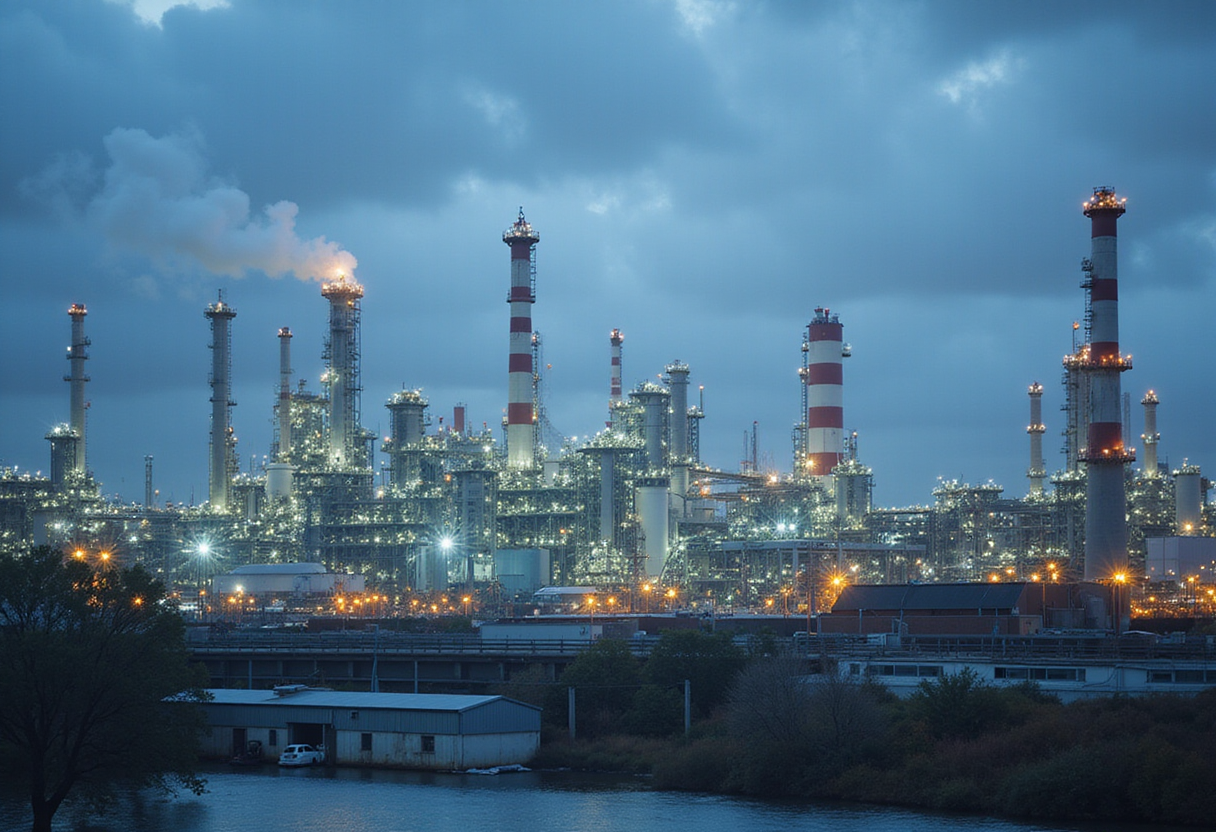
Chemical & Engineering News has framed the post-shale petrochemical expansion along the U.S. Gulf Coast as finished. The assessment carries the headline: "the party is over for North American petrochemical makers."
Only the headline and a link reached this desk at filing time. The complete C&EN analysis sits behind the publication's subscription wall.
The headline still carries weight for practitioners running cracker operations, EPC schedules and NGL demand planning in the Gulf and at Sarnia.
What does the framing signal for operators?
C&EN has tracked U.S. petrochemical capacity through multiple cycles since the 1920s. A "party is over" framing from that desk reads as a deliberate directional call, not a routine market update.
What it tells operators: the era of sanctioning new ethane-fed steam crackers along the Texas and Louisiana coast has closed. The era of running that capacity tighter against a flatter demand curve has begun.
Those two eras pull on different parts of the value chain. Build side: engineering, construction and project finance. Operating side: utilization rates, feedstock purchasing and product trading.
The headline does not specify whether the squeeze is regional or global. That distinction will determine whether Gulf producers retain an export-led edge or face a structural reset.
Why do industry dynamics typically converge here?
A margin compression of this kind in U.S. Gulf petrochemicals usually arrives with three forces in concert.
First, cracker projects sanctioned in the late 2010s have started up on overlapping schedules. That has lifted effective regional nameplate.
Second, integrated complexes in Saudi Arabia, China and the wider Middle East have entered the global merchant pool through 2024 and 2025.
Third, call-offs from packaging, durables and textile chains have tracked below the demand curves built into the original project economics.
The combined effect narrows the ethane-cost spread that drew polyethylene, mono-ethylene glycol and other derivative investments to the Gulf over the past decade.
What changes along the operator chain?
For integrated producers, the immediate pressure shifts to cracker utilization rates and the ethane-to-product crack spread. Trading desks will read second-half integrated results from the major U.S. and Canadian reporting names with care.
For engineering and construction contractors, the read-through is tighter competition for the next round of FIDs. Downstream derivatives, where capital intensity runs lower than upstream cracker build-outs, is where the action likely sits.
For NGL and midstream operators, ethane demand growth tied to new crackers has reached the back end of the cycle. Future volume growth will come from utilization optimization and debottlenecks rather than new trains.
For merchant and trading desks, the seasonal calendar narrows. Gulf and Northeast Asia polyethylene and MEG turnarounds will price against an oversupplied backdrop.
What should operators watch next?
Operating rates. Quarterly cracker utilization disclosures from the major U.S. producers will confirm whether the margin pressure is showing up in throughput cuts.
Export flows. Gulf Coast polyethylene and MEG export volumes will test whether the squeeze is regional or global in origin.
Project pipeline. The next FID watch list in derivatives and downstream conversion will define how shallow the next trough runs.
The takeaway in plain words: the cost-advantaged Gulf cracker wave has matured into a globally oversupplied market, and the next phase is a margin problem rather than a volume problem.
via Google News: Refineries and petrochemicals (Source)
More from James Calloway
Show full bio
Staff writer covering people, launches and day-to-day practice in Oil and gas industry operations and markets at Rig & Refinery.
478 articles
Adjoining reports
- High Feedstock Costs and Plant Closures Squeeze Europe Chemical Supply
- New Frontiers Study Extends US Oil, Gas Production Outlook to 2100
- IEEFA: Shell's Monaca plant exposes Pennsylvania petrochemical underperformance
- Texas Approves Petrochemical Expansion; Health Experts Sound Alarm
- Billions in Federal Support for US Gas Exports Are Driving More Fracking