Well report No. RR-7018 · T22N · R34W · SEC 34 · filed October 13, 2026
Refining & PetrochemicalsWell report
Moscow refinery hit for second time this week, sources say
Reuters on Friday reported a second strike on a Moscow refinery inside one week, citing unnamed sources. Process units were damaged and fires broke out. Operator identity, affected unit types, and throughput loss remain undisclosed in the initial dispatch.
Field notes
- Reuters reported the second Moscow-refinery strike inside one seven-day window, on Friday
- Multiple process units at the Moscow site sustained damage and fires broke out
- The information was attributed to unnamed sources rather than official spokespeople
- Operator identity, specific unit types affected, and bpd capacity impact remain undisclosed
- Russian Ministry of Energy weekly refinery run data, when released, will offer the first read on national throughput
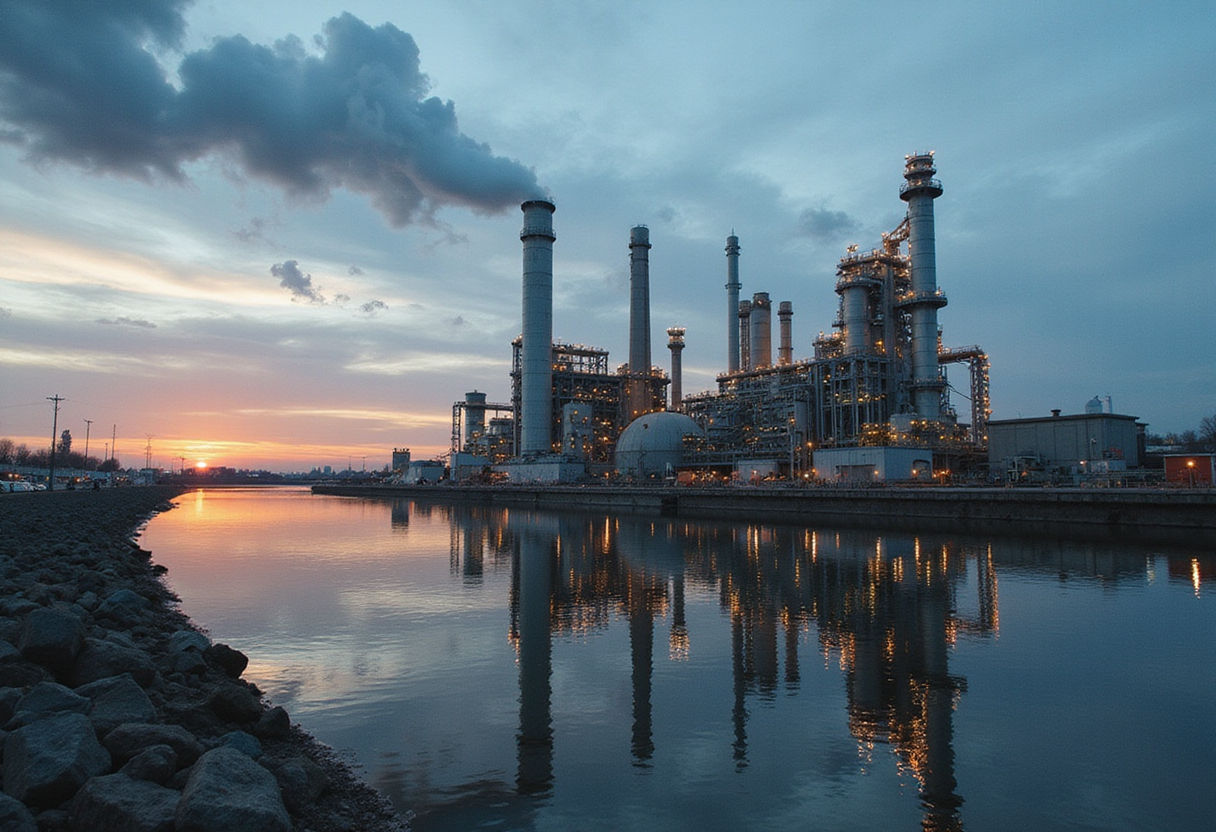
A second strike on a Moscow refinery inside one week damaged process units and ignited fires, Reuters reported on Friday, citing unnamed sources. The headline places the incident in Moscow, marks it as the second within a seven-day window, and confines confirmed details to four data points.
What did the initial dispatch establish?
The Reuters item carries four confirmed facts. The incident occurred at a refinery in Moscow. Multiple process units sustained damage. Multiple fires broke out. The information came from sources rather than official spokespeople.
The attribution pattern points to operational or industry contacts rather than government channels. Russian emergency services routinely deploy to refinery fires but typically release only basic scene details during the first hours of an active incident.
The takeaway: the report confirms strike location and physical impact. It leaves the operator undisclosed.
Why does the report omit the operator name?
Early dispatch silence on operator identity is standard practice during live events. Russian operators are often subsidiaries of larger state-aligned holdings; full disclosure usually follows once fires are extinguished and damage assessments begin.
The headline leaves four unknowns: the operating company, the exact site inside the capital, the unit types affected, and the bpd (barrels per day, the standard industry throughput unit) capacity at risk. Each data point emerges in subsequent reporting cycles as emergency operations conclude.
The takeaway: operator disclosure lags the headline cycle by hours, not minutes.
What downstream signals should traders watch?
Russian refinery run data, published weekly by the Ministry of Energy, offers the cleanest read on national throughput. The figure typically lags the operating week by seven to fourteen days. A material drop in Moscow-area processing would appear there first.
Export markets will respond through Baltic and Black Sea cargo pricing. Loading-point premiums at Primorsk, Ust-Luga, and Novorossiysk form the standard reference set. Gasoil (industry term for middle distillates: diesel, heating oil, and marine bunker fuel) and gasoline grades typically move first on a regional disruption.
Sanctioned-product flows travel through complex third-country trader networks and into price-sensitive end markets. A reduction in Russian refinery output tends to tighten regional diesel balances rather than global ones.
The takeaway: the first price signal arrives in product cargoes, not in equity markets.
How does this fit the week's incident pattern?
This event marks the second Moscow-refinery strike of the week. The earlier incident preceded it inside the same seven-day window. Reuters had not, at the time of the headline filing, released a combined timeline with unit-level identifiers for either event.
The trade desk will want three data points before sizing the operational impact: the operator name, the affected unit train (a linked sequence of refining units that processes crude into products), and the expected restart window in weeks or months. Each shapes the duration and the downstream-product implications.
The takeaway: the second strike clarifies cadence. It does not yet clarify cumulative damage.
What does the cadence of incidents signal?
Two confirmed strikes on Moscow-area refining inside one week accelerate the reporting frequency. Readers should resist treating news flow volume as a proxy for physical damage until operators confirm unit-level losses.
The trade press will treat the second strike as confirmation that refining infrastructure inside the capital sits inside the active target envelope. Subsequent reporting will determine whether the affected units sit in the same process train or in separate facilities.
The takeaway: frequency has risen. Footprint remains undisclosed.
What to watch next
- Operator disclosure from Russian emergency ministries
- The next weekly Ministry of Energy refinery run release
- Diesel and gasoline FOB (free on board, the standard exporter's price quotation) moves at Baltic and Black Sea loading points
- Any official statement from the Ministry of Foreign Affairs
- Insurance loss estimates and reinsurance market commentary
Closing watch item: operator identity, affected unit train, and expected restart date remain the three datapoints that convert headline risk into a tradeable signal.
By Olivia Hart, Rig & Refinery
via Google News: Refineries and petrochemicals (Source)
More from Olivia Hart
Show full bio
Correspondent covering technology and product news in Oil and gas industry operations and markets at Rig & Refinery.
435 articles
Adjoining reports
- Ukraine strikes Russian refineries, missile facilities: General Staff
- Ukraine's Strikes on Russian Energy Infrastructure: What Has Been Hit?
- Drone strike ignites fire at Ilsky refinery in Russia's Krasnodar Krai
- Saudi Refinery Fire Reported as Attack Claims Surface
- Kyiv confirms strike on Gazprom Neftekhim Salavat refinery