Well report No. RR-6819 · T17N · R6W · SEC 5 · filed October 17, 2026
Refining & PetrochemicalsWell report
Texas Petrochemical Buildout Skews to Low-Income Areas, Study Finds
Most new Texas petrochemical facilities are sited in low-income areas and communities of color, a new study reported by Houston Public Media finds. The method deserves scrutiny.
Field notes
- Most new Texas petrochemical facilities are located in low-income areas and communities of color, per a study reported by Houston Public Media.
- The study maps new petrochemical capacity against income and demographic data statewide.
- The report does not disclose facility counts, time window or income thresholds used in the analysis.
- Siting patterns bear on TCEQ permitting, litigation risk and future FID site selection along the Gulf Coast.
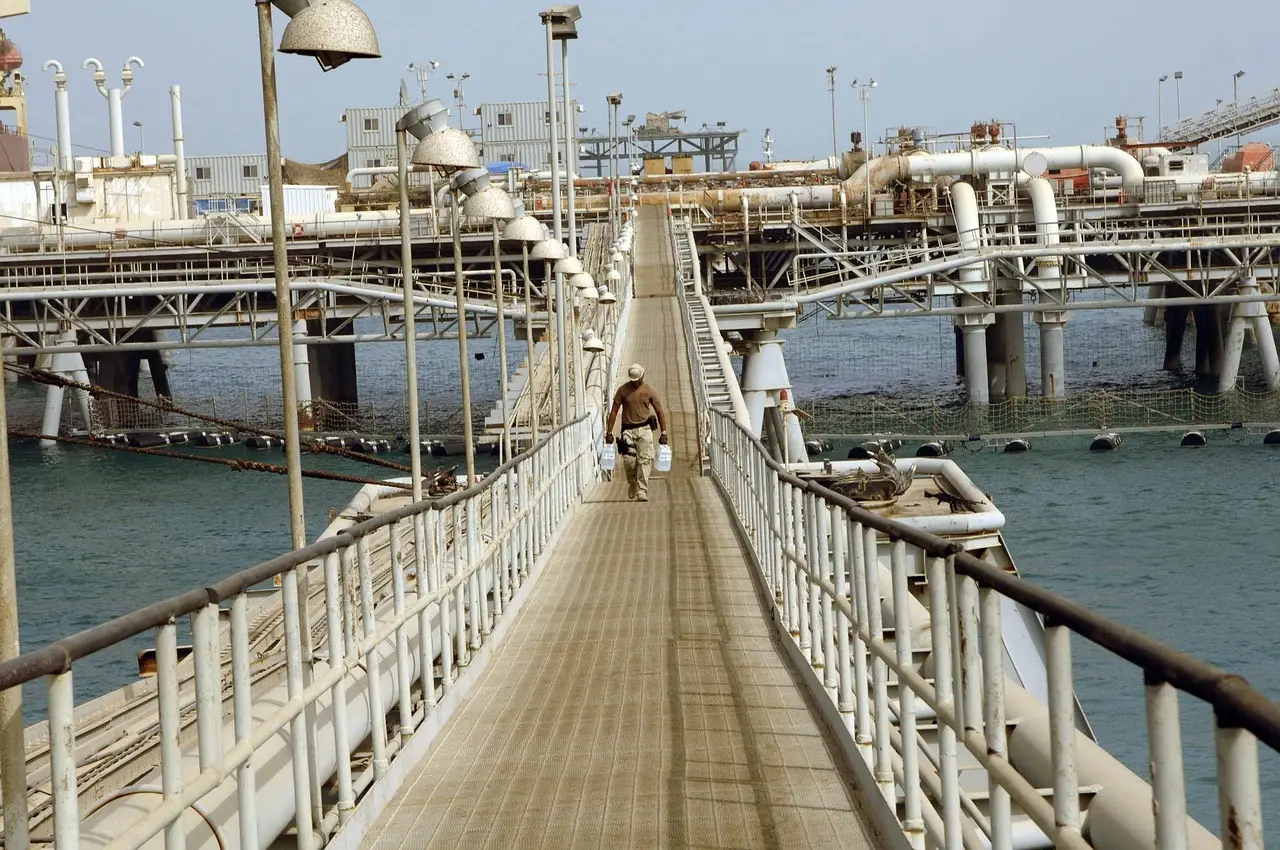
Most new petrochemical facilities in Texas are being sited in low-income areas and communities of color. That is the core finding of a new study reported by Houston Public Media, and it lands as the Gulf Coast petrochemical buildout continues along the Houston Ship Channel and the upper Texas coast.
The study examined the geography of new petrochemical capacity in the state. Its conclusion: the facilities are not distributed evenly. They concentrate where household incomes are lower and where residents are predominantly non-white.
What does the study actually measure?
The research maps new petrochemical plants — facilities that process oil and gas feedstock (raw material supplied to a refinery or cracker) into chemicals and plastics — against demographic and income data. Texas has absorbed a wave of that capacity over the past decade, anchored by ethane crackers and export terminals along the Gulf Coast.
The finding matters for plant operators. Siting patterns increasingly shape permit timelines, litigation risk and community opposition. Ask any operator who has sat through an air-permit hearing in Harris County.
What the report summarized by Houston Public Media does not spell out, at least in the summary available, is the exact count of facilities, the time window or the income thresholds used. Those details would let readers judge the claim for themselves. Takeaway: the pattern is asserted; the method needs checking.
Why does siting matter for the industry?
Petrochemical plants carry air-emission profiles that regulators scrutinize under the Clean Air Act. Neighborhoods near clusters of them — the Ship Channel being the canonical case — already host dense concentrations of refinery and chemical capacity.
For companies, the study's framing carries practical weight:
- Permitting delays tied to environmental-justice reviews
- Litigation risk from community groups
- Reputational pressure on lenders and offtakers
- Potential constraints on future site selection near established corridors
Industry has long argued that plants follow navigable water, pipelines, feedstock and existing industrial zoning. Land near the Ship Channel is cheaper because it is industrial, not because of who lives beside it. That argument is not answered by the study as reported. Takeaway: correlation is documented; causation remains contested.
What is not said?
Houston Public Media's report does not identify the study's authors, sample size or peer-review status in the summary available. It does not quote company responses or state regulators. That gap cuts both ways — it weakens the study's immediate authority, and it leaves operators without specifics to rebut.
No company named in the study has publicly responded, according to the report as summarized. Expect pushback once the full document circulates.
What should readers watch?
Watch whether the Texas Commission on Environmental Quality (TCEQ, the state's air and water permitting agency) faces renewed calls to weigh demographic factors in permit reviews. Federal environmental-justice guidance already pushes in that direction. A study like this one supplies the advocacy record.
Also watch the next major Gulf Coast petrochemical FID (final investment decision, the board approval that commits capital). If sponsors begin paying for buffer zones, community benefit agreements or alternative siting studies, that will be the market's silent answer to this research.
Takeaway: the finding will matter to Texas permitting long before it matters to Texas production.
via Google News: Refineries and petrochemicals (Source)
More from Priya Raman
Show full bio
Senior reporter covering technology and product news in Oil and gas industry operations and markets at Rig & Refinery.
540 articles
Adjoining reports
- Race Cited as 'Potent Predictor' of Texas Petrochemical Plant Siting
- Texas Approves Petrochemical Expansion; Health Experts Sound Alarm
- IEEFA: Texas Host Cities Miss Out on Petrochemical Growth Gains
- C&EN signals end of North American petrochemical build cycle
- $1.2 Billion Refinery Planned on South Texas Farmland