Well report No. RR-1276 · T18N · R32W · SEC 30 · filed October 16, 2026
Midstream & PipelinesWell report
Two Syrian pipelines damaged in attacks on energy infrastructure
Two Syrian pipelines were damaged in a series of attacks on energy infrastructure, Al Jazeera reported, straining a fuel system already short of refining capacity.
Field notes
- Two pipelines in Syria damaged amid a spate of attacks on energy infrastructure, Al Jazeera reported.
- No claimed perpetrator was identified and no repair timeline was published.
- Syria's refineries at Banias and Homs have operated well below design capacity since 2011.
- Watch item: Syrian oil ministry statement on repair schedule and any rationing response.
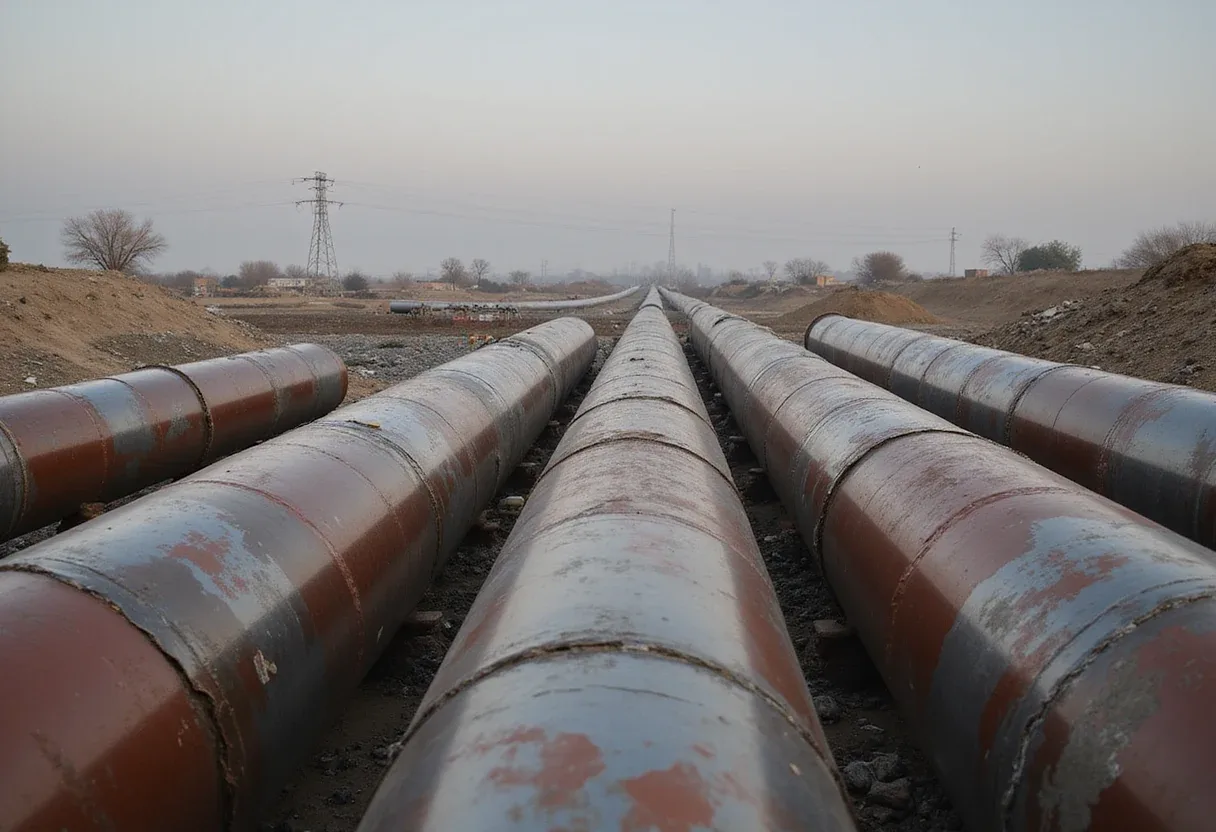
Two pipelines in Syria sustained damage this week, Al Jazeera reported, part of a wider spate of attacks on the country's energy infrastructure. The strikes add pressure to a national fuel system already running far below nameplate capacity after more than a decade of conflict.
The report identifies the two lines as casualties of a broader series of incidents targeting energy assets. Al Jazeera did not name a claimed perpetrator. No operator statement on repair timelines had been issued at the time of reporting.
What does the damage mean for fuel supply?
Syria's pipeline network has long served as the backbone of domestic fuel logistics, moving crude from interior fields to coastal refineries at Banias and Homs. Repeated damage since 2011 has left both refineries operating at a fraction of their combined design throughput, forcing Damascus to rely on fuel imports.
Two damaged lines mean one thing in practice: more pressure on an import system that consumers already experience as chronic shortage.
Each line failure pushes more supply onto road tanker transport. That raises delivered cost per litre and lengthens queues at fuel stations, an outcome Damascus has managed through rationing in past disruption episodes.
Why do attacks keep targeting energy assets?
Energy infrastructure carries outsized strategic weight in Syria. Pipelines, refineries and gas processing plants concentrate economic value in fixed, hard-to-defend locations. Al Jazeera's framing of a "spate of attacks" indicates the incidents form a pattern rather than isolated events.
The reporting did not specify the method used against the two lines, whether explosive charges, sabotage, or strikes. Pipeline attacks in the region have historically favoured explosive devices laid against exposed sections of right-of-way.
Repair crews in Syria face a familiar constraint. Security along pipeline routes determines how quickly welders can reach a breach, and contested corridors have left some earlier damage unrepaired for months.
What is the watch item?
The operational number to track is restoration time. Al Jazeera offered no repair estimate, and Syrian authorities frequently do not publish outage durations for security reasons.
Three indicators will signal whether this incident stays contained:
- Any statement from the Syrian oil ministry on the affected routes and repair schedule;
- Fuel price or rationing adjustments in Damascus and Aleppo markets;
- Further incidents, which would confirm a sustained campaign rather than a spike.
For regional watchers, the relevant benchmark is precedent. Previous pipeline outages in Syria have translated into import increases from third-party suppliers, with shipping and financing costs ultimately borne by the consumer.
Takeaway: two damaged pipelines will not by themselves collapse Syrian fuel supply, but they tighten a system with no slack and hand import suppliers additional leverage.
via Google News: Pipelines and midstream (Source)
More from Olivia Hart
Show full bio
Correspondent covering technology and product news in Oil and gas industry operations and markets at Rig & Refinery.
489 articles
Adjoining reports
- Syria Pipeline Blast Exposes Fragility of Post-War Energy Network
- Syria reports 'sabotage attack' on oil pipeline, arrests suspects
- Damaged Pipeline in Northeastern Syria Halts Flow
- Explosion Hits Syrian Gas Pipeline as Energy Infrastructure Attacks Continue
- Damaged Northeast Syria Oil Pipeline Declared 'Sabotage' by Damascus