Well report No. RR-6211 · T9N · R9W · SEC 9 · filed October 13, 2026
Refining & PetrochemicalsWell report
Ukrainian Drone Strike Sets Another Russian Refinery Ablaze
A Ukrainian drone strike set another Russian refinery ablaze as Putin publicly acknowledged fuel shortages — watch for export restrictions next.
Field notes
- A Ukrainian drone strike set another Russian oil refinery on fire, PBS reported.
- Putin publicly admitted fuel shortages exist in Russia.
- The specific refinery, its capacity and damaged units were not named in the initial report.
- The strike continues Ukraine's more-than-year-long drone campaign against Russian downstream assets.
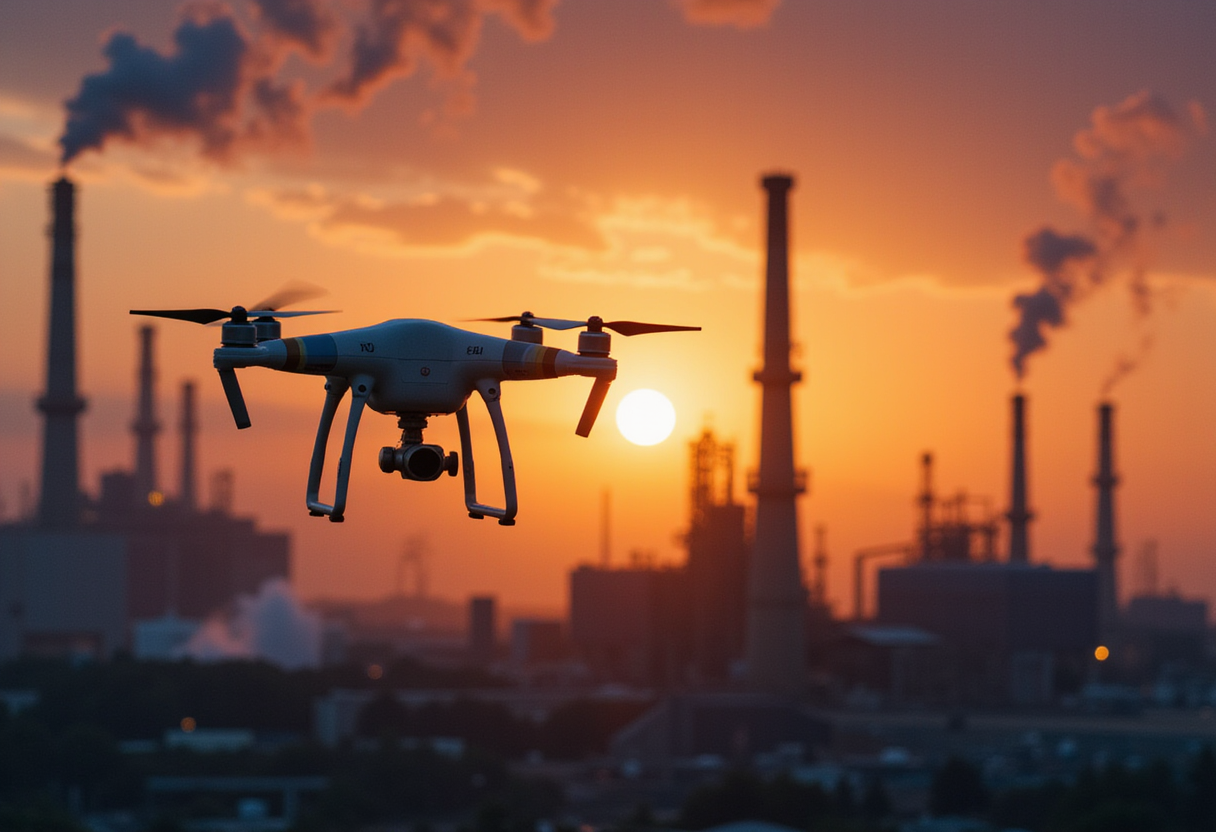
Another Russian oil refinery is burning after a Ukrainian drone strike, and President Vladimir Putin has publicly acknowledged fuel shortages inside Russia — the first time the wartime refinery campaign and its domestic market effect have converged in a single news cycle.
The strike, reported by PBS, follows the established pattern of Ukraine's long-range drone campaign against Russian downstream assets. Each fire knocked out at a refinery removes refining capacity from a market that Moscow has repeatedly insisted was functioning normally. Putin's admission changes that framing.
What did the strike hit?
The specific refinery, its crude throughput and the units damaged were not disclosed in the initial report. PBS confirmed the facility caught fire after a drone attack — the latest in a series of similar strikes on Russian refining assets stretching back more than a year.
For refiners and traders, the operating questions are the usual ones:
- How much primary distillation capacity is offline, and for how long?
- Will the outage force additional product imports or export restrictions?
- Which grades — gasoline, diesel, jet fuel — take the hit first?
Until the operator or Russian authorities name the plant and the extent of the damage, the market impact cannot be sized.
What changes with Putin's admission?
The acknowledgment of fuel shortages is the more significant part of the story. Russian officials have generally attributed domestic fuel market stress to seasonal factors, drone damage or repair schedules, depending on the audience. A direct statement from the president that shortages exist sets a different baseline.
"Putin admits fuel shortages" — PBS's framing — signals that the downstream attack campaign has now registered at the top of the Russian state, not just in regional fuel-price reports and refinery outage notices.
For practitioners, the implication is straightforward: expect policy responses. Russia has previously answered fuel tightness with export bans on gasoline and diesel, temporary export permissions for specific producers, and damper-mechanism adjustments. A presidential-level acknowledgment of shortages historically precedes that kind of intervention.
The campaign pattern
Ukraine's strategy of striking refineries rather than only export infrastructure targets the margin: crude can still flow, but products get harder to make and distribute. Each fire forces a turnaround-scale repair effort at a plant that may already be running with constrained access to Western maintenance technology and catalyst suppliers under sanctions.
The cumulative effect is what matters more than any single strike. One burning refinery is an outage. A recurring series of them, combined with a presidential admission of shortages, is a supply picture.
Watch for the name of the struck refinery, the units affected, and any Russian government move on product export restrictions in the days ahead.
via Google News: Refineries and petrochemicals (Source)
More from James Calloway
Show full bio
Staff writer covering people, launches and day-to-day practice in Oil and gas industry operations and markets at Rig & Refinery.
478 articles
Adjoining reports
- Drone Strike Halts Operations at Another Russian Refinery
- Ukrainian Drones Strike Refinery Deep Inside Russian Territory
- Ukraine Strikes Russian Oil Refinery and Missile Plant, Zelenskiy Says
- Ukraine Drone Strike Targets Russia's Largest Refinery
- Ukrainian Drones Hit Major Russian Refineries and Defence Plant